Water Quality Blog
Investigations, guides, and analysis about drinking water in Connecticut. Every published article is bound to the exact preserved version that passed the release checks; claim-level review remains a separate audit.
The Boil Water Order Is Over in 9 Connecticut Towns. Here Is What Boiling Never Touched
The July 2026 boil water order for nine CT shoreline and river valley towns was lifted July 11. What happened, why one Essex tap triggered it, and what boiling never fixes.
146 articles
CT Boil Water Order Lifted: What Happened in 9 Towns
The July 2026 boil water order for nine CT shoreline and river valley towns was lifted July 11. What happened, why one Essex tap triggered it, and what boiling never fixes.
Can a Spill Contaminate City Tap Water? Honestly
Public water is treated and monitored, so a nearby spill rarely reaches your tap. Two narrow pathways are real; vapor intrusion (indoor air) isn't one of them.

Cats and Connecticut Water: 4 Things Owners Miss
Cats are not small dogs when it comes to water. A missing liver enzyme, unusually fragile blood, and slow chemical clearance make them the most water-sensitive pet in your house. Here's what that means in Connecticut.
CT Fuel Spills & Leaking Tanks: What the Data Shows
Fuel is CT's biggest spill category and ~4,500 tanks have leaked since 1975, but spill counts don't predict what's in groundwater (rho≈0.13). The honest picture.
CT PFAS Sources vs Detections: Two Different Maps
Connecticut has ~346 documented PFAS sources (AFFF sites, landfills). A source is a reason to look, not a measurement, and the source map isn't the detection map.
When to Test a CT Private Well: Two Reasons
Connecticut doesn't monitor private wells for anyone. Two things decide whether yours is worth testing beyond the basics: the bedrock under you, and documented man-made sources nearby.

Do Spill Counts Predict Bad Water? CT Data Says No
A Connecticut town's spill count tracks its traffic, industry, and reporting, not its water quality. We tested it: raw spill counts do not predict what's measured in groundwater.

CT Spills That Reached Groundwater: The 0.4%
Of ~47,800 spills reported to CT DEEP (2015 to 2025), just 195, about 0.4%, were recorded reaching groundwater. Here's what that does and doesn't mean for your well.

Connecticut Town Spill Rankings 2015-2025 (Full List)
Connecticut logged about 47,800 spills from 2015 to 2025. Here are the towns with the most, by raw count and per person, plus the one honest caveat: a high count does not mean bad water.
CT Towns With the Most PFAS Now: Thyroid & Hair
Norwich tops Connecticut's PFAS readings at 16.2 ng/L PFOS. The 35 water systems over the EPA's 4 ng/L line, read through the thyroid and hair-loss lens.
CT Well Water & Hair: Historical Hard-Water Towns
Historical USGS well samples show which CT towns have the hardest water (median year ~1972). Hardness is bedrock-driven and endures, so test your own well.
Do CT Spills Reach Well Water? The Data, Honestly
We matched Connecticut's spill and source records against solvents actually measured in groundwater. Spill counts predict nothing, but dry-cleaner density tracks PCE/TCE. Here's the finding, and its limits.
Perchlorate in Water: The Near-Universal Contaminant
Perchlorate is detectable in virtually every American tested, and it blocks the thyroid's iodine uptake. Here's the science and the EPA's new 20 µg/L proposal.
Selenium & Hair Loss: How Thin Is Your Margin?
Selenium is essential, but excess causes hair loss. Water at the EPA limit plus a normal diet reaches ~208 µg/day against a 255 µg/day safe ceiling: only a 1.2× margin.

CT Towns With the Most PFAS in Drinking Water (2026 Data)
We ranked Connecticut towns by PFAS 'forever chemicals' in public drinking water using state testing data. Greenwich has the most distinct compounds, and lower Fairfield County dominates the list. See where your town stands.
Thallium in Water & Hair Loss: Legal Limit Explained
Thallium causes hair loss only at poisoning doses. We derive a hair-safe level of 14 ppb; the EPA legal limit of 2 ppb sits about 7× below it.
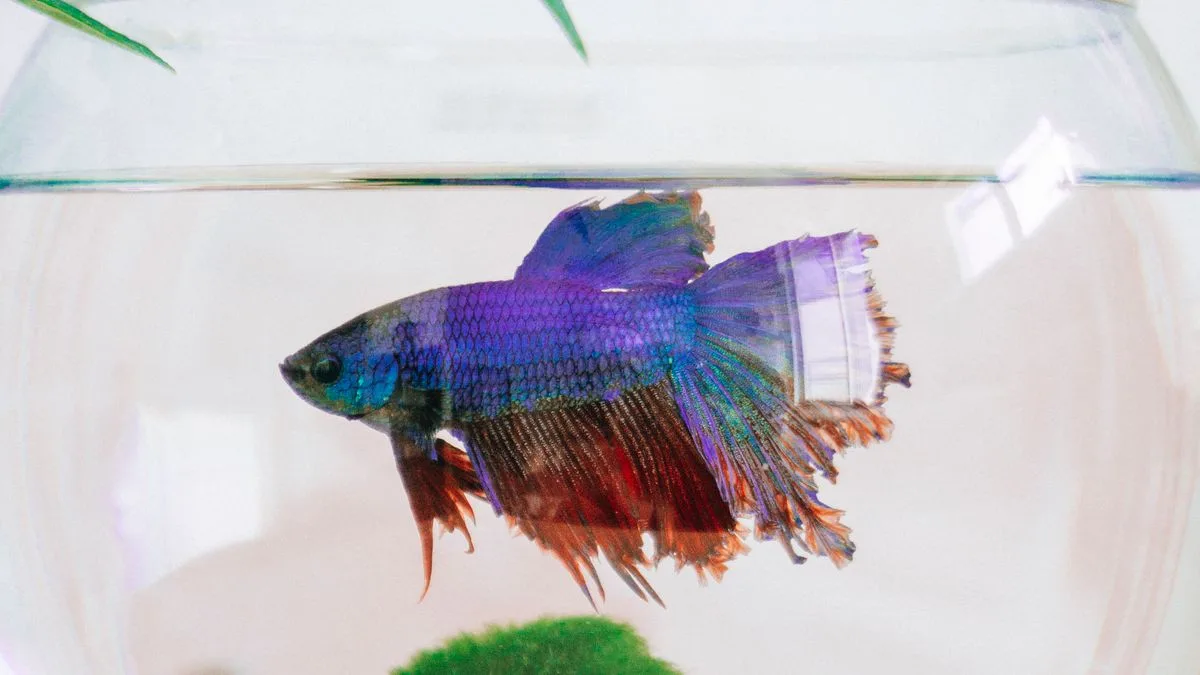
Chloramine and Aquarium Fish: Why It Kills
Chloramine is chlorine bonded to ammonia. It does not off-gas from a standing bucket the way chlorine does, and a plain carbon pad won't remove it fast. Here's how to actually make tap water safe for fish.

How to Calculate Your PFAS Hazard Index (Step by Step)
The EPA PFAS Hazard Index divides each forever chemical by its health-based value, then adds them: four PFAS each under 10 ppt can still top the limit of 1. Here's the math.

Feline CKD and Tap Water: Evidence, Testing, Limits
A small cat study did not prove a water effect or identify a contaminant. Learn how to confirm water and use human health guidance without inventing CKD-cat thresholds.
Microplastics in Water and Reproductive Health
Microplastics now appear in human placenta, testes and follicular fluid, yet tap water has no federal limit. See the 2026 reproductive research and how RO removes them.
2026 EPA PFAS Rollback Explained: What Changes
EPA's May 2026 proposal keeps the 4 ppt limits on PFOA and PFOS but would rescind or reconsider limits on 4 other PFAS. Here's what changes, and what doesn't.

Feline UGT Metabolism and Drinking Water: Evidence Limits
Cats metabolize some compounds differently, but UGT evidence does not create a universal 10x drinking-water threshold. Learn what it supports.

Cat Water Fountain Filters: Carbon, Chloramine, Metals
Most fountain pads improve taste and catch debris; they do not prove removal of chloramine, nitrate, dissolved metals, PFAS, or other contaminants.

EPA PFAS Rollback 2026: What It Means for Pregnancy
EPA's proposed 2026 PFAS rollback would drop limits on 4 of 6 forever chemicals. All still cross the placenta, and EPA's health goal for PFOA is zero.

PFAS in Pets: Half-Life & Sentinel Evidence Reviewed
Laboratory dog kinetics and field sentinel studies answer different questions. Learn what Rock 2023 and Wang 2018 support - and why EPA limits are not pet-safe thresholds.

Pet Drinking-Water Limits: What the Evidence Supports
No U.S. agency sets dog- or cat-specific drinking-water limits. Learn how CheckYourTap separates human health guidance, legal limits, and veterinary evidence.

Aging Livers and Water Contaminants: The Clearance Gap
After 65, liver and kidney clearance can fall 30-40%, so the same tap water is a bigger internal dose. Here is the CYP450 and GFR mechanism, told honestly.

Does Your Dog Need an RO Filter? Test First
RO can reduce many dissolved contaminants, but a technology name is not a performance guarantee and a ZIP is not a property result.

Lead in Water for Dogs and Cats: Test and Confirm
Lead is a cumulative toxicant, but no validated pet drinking-water cutoff exists. Use the human health goal of zero as household context and confirm the tap.

Microcystins and Dogs: Avoid Blooms and Confirm Water
Dogs can be severely poisoned by cyanobacterial blooms. No validated pet drinking-water cutoff was found; visible or suspected blooms require avoidance, not threshold arithmetic.

Fluoride in Water for Dogs and Cats: Evidence Review
No validated dog- or cat-specific fluoride water threshold exists. Separate human guidance, diet, life stage, and veterinary evidence before choosing treatment.
THMs & Pregnancy: Chlorine Byproduct Birth Defects
THMs are chlorination byproducts linked to birth defects. EPA allows 80 ppb, but our pregnancy-safe estimate is ~25 ppb, about 3x stricter. See the gap.

Well Water for Dogs: Testing and Evidence Guide
Private wells vary by property. Area records and calculated pet cutoffs cannot establish what a dog drinks; certified testing can.

Arsenic in Well Water for Dogs: Evidence and Testing
No validated dog-specific arsenic water threshold exists. Use source-backed human health guidance as household context, confirm the well, and involve a veterinarian.
Connecticut Well Arsenic Records for Dog Households
Historic Connecticut groundwater records identify towns where arsenic has been measured. They are not property results or dog-safe thresholds.

PFAS, IVF & Fertility: Forever Chemicals in Tap Water
PFAS in tap water are linked to lower IVF success and reduced fertility. The EPA's legal limit is 4 ppt, but its health-based goal for PFOA and PFOS is zero.
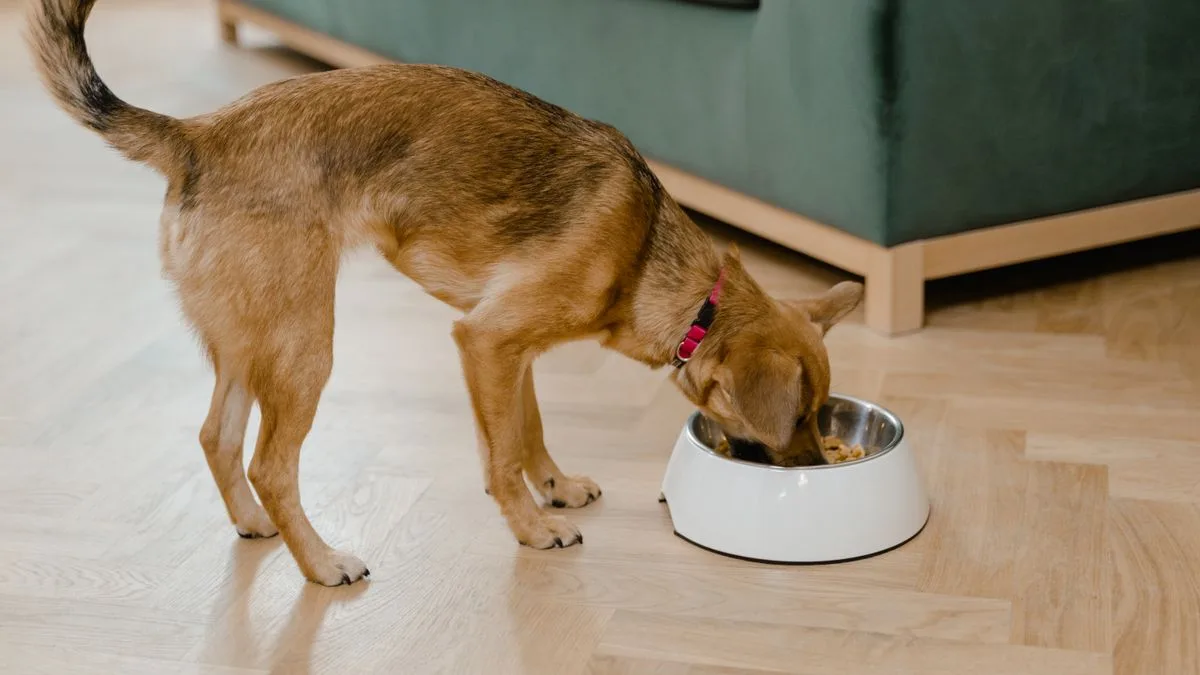
Is Tap Water Safe for Dogs? Test First, Then Decide
Area records and EPA compliance cannot establish what a dog drinks. Learn how to use health guidance, property testing, and veterinary evidence without inventing a pet threshold.
Does Baby Water Filter Remove PFAS? NSF Certs
Does your baby's water filter remove PFAS? Only NSF/ANSI 53, 58, or P473-certified filters are proven to. RO cuts PFOA/PFOS 90%+; EPA's 2024 limit is 4 ppt.
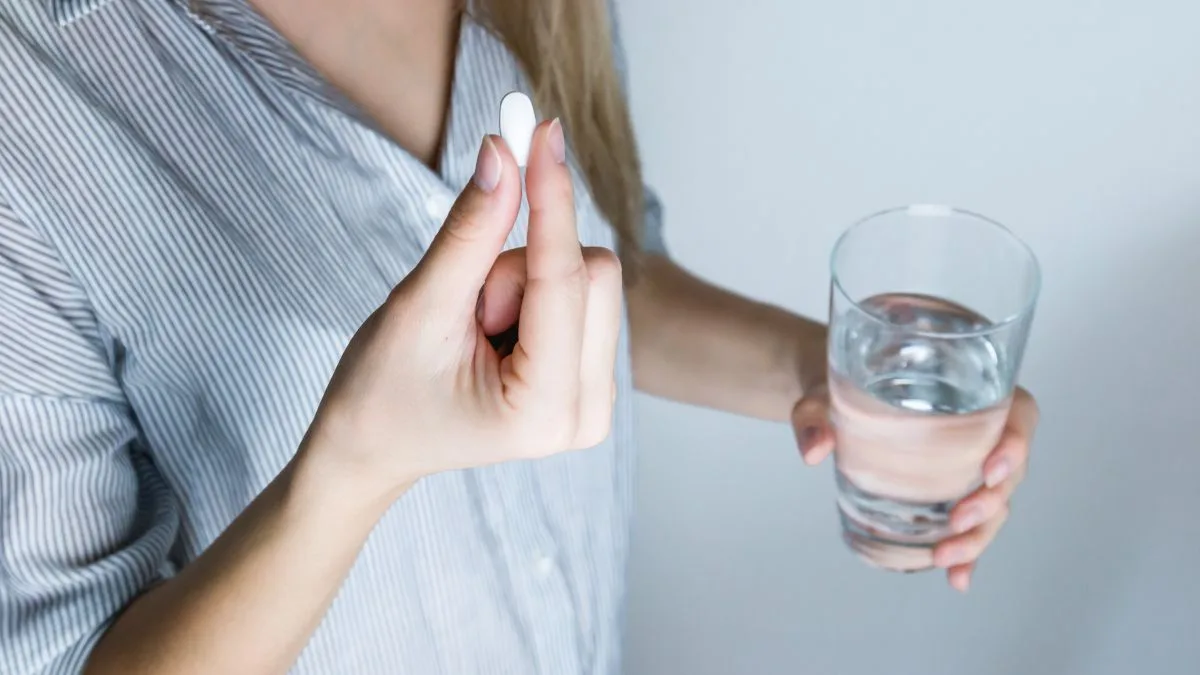
Pharmaceuticals in Tap Water: Trace Levels Explained
Antibiotics, hormones, and antidepressants show up in city tap water at nanogram-per-liter traces. There is no federal MCL for any of them. Here's what the science actually says, and what removes them.

Atrazine in Tap Water: Endocrine Disruptor & Fertility
Atrazine's EPA legal limit is 3 ppb, 30 times the 0.1 ppb health guideline. See what this endocrine-disrupting herbicide means for fertility and pregnancy.

Doberman Hepatitis, Copper, and Drinking Water
Dobermans can develop copper-associated chronic hepatitis, but no validated breed water cutoff exists. Evaluate total exposure with a veterinarian.

EWG vs. Tap Score vs. CCR: 3 Different "Safe" Answers
The same water can pass your CCR, fail EWG, and read differently on a Tap Score lab test. The reason: EPA's arsenic limit sits 2,500× above the health guideline.

Scottish Terriers, Bladder Cancer & Tap Water THMs
Scotties have a major genetic predisposition to bladder cancer, but the reviewed THM study was not significant. Learn what is established, what is not, and how EWG and EPA values differ.
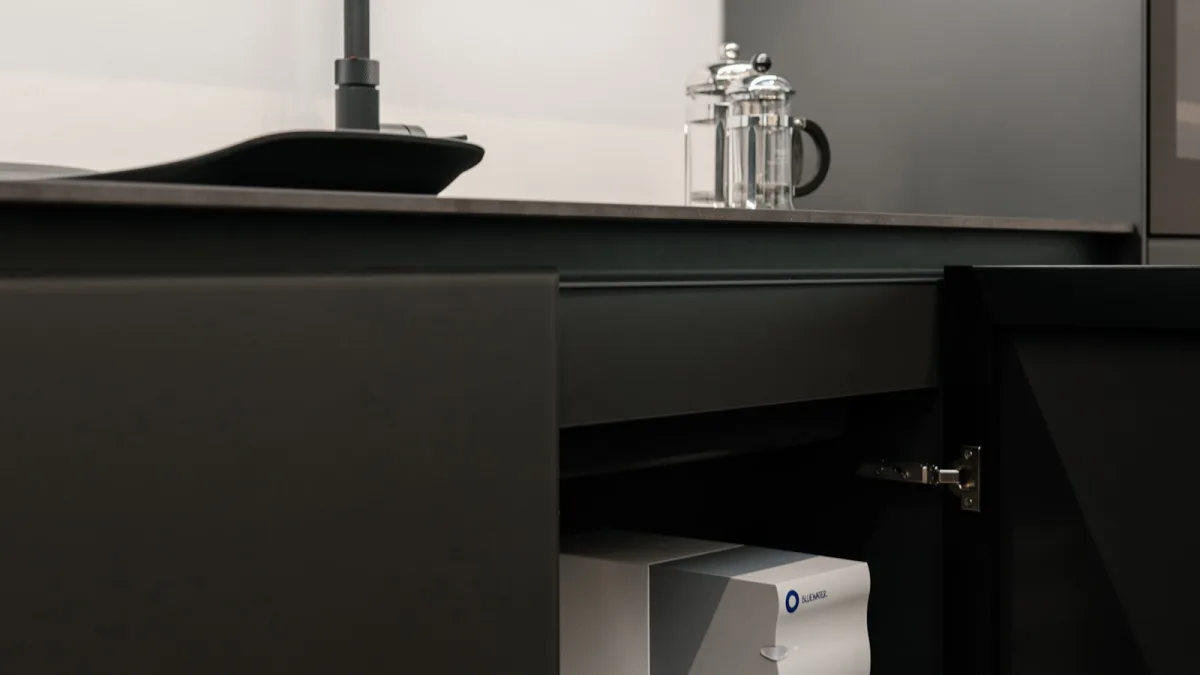
Water Filter for Baby Formula: RO vs Carbon vs Ion
Which water filter is best for baby formula? Reverse osmosis (NSF/ANSI 58) cuts lead, arsenic, and nitrate ~99%. Compare RO vs carbon block vs ion exchange.
Is New Haven Tap Water Safe to Drink? RWA Data
New Haven city water carries lead and PFOA with no safe level, putting young children (ages 2 to under 6) and dogs at higher risk, so test your tap and filter it with reverse osmosis.

Labrador Copper Hepatopathy and Drinking Water
Labradors can have copper-associated hepatopathy, but no validated breed water cutoff exists. Review diet, genetics, liver status, and a confirmed tap result together.

How to Read Your Water Report (CCR) as a Parent
Read your water quality report (CCR) as a new parent: what MCL, MCLG, and action level mean, why lead has no safe level and arsenic's limit is 2,500x too high.

Arsenic and Heart Disease in Older Adults
Arsenic and cardiovascular disease share a dose-related link that lands hardest on older hearts. EPA allows 10 ppb; the health goal is 0.004 ppb, a 2,500x gap.

Bedlington Terriers, Copper & Tap Water: COMMD1
COMMD1 variants create real copper-storage risk, but no validated Bedlington drinking-water cutoff exists. Test water and evaluate total exposure with a veterinarian.

Does Tap Water Affect Fertility? 5 to Test Before TTC
Does tap water affect fertility? For PFOA, the EPA's legal limit is 1,000x above the health-based level. See 5 contaminants to test before you conceive.
Well Water Testing for Newborns: 7 Contaminants
Well water test for newborns: private wells are federally unregulated, so 7 contaminants need a lab test before formula. Arsenic's safe level is 0.004 ppb, not 10.
Point-of-Use Filters: Legal vs Safe Water Gap
The EPA lets arsenic sit at 10 ppb, 2,500x above the 0.004 ppb health guideline. Point-of-use filters are how a household closes the legal-vs-safe gap.

Chromium-6 Pregnancy Safe Level: Legal vs. Real
No federal limit exists for chromium-6, yet the pregnancy safe level is 0.02 ppb, 5,000x below the 100 ppb total-chromium limit the EPA allows. See the real number.

Dogs, THMs & Bladder Cancer: Backer 2008 Reviewed
The canine THM study found no statistically significant association and did not establish dogs as sentinels for this exposure. Here is the precise result and the healthy-water context.

Manganese in Baby Formula Water: 20 ppb IQ Limit
Manganese in tap water used for baby formula is linked to lower child IQ. California sets a 20 ppb health target for bottle-fed infants, 15x below EPA's advisory.
Fluoride and Thyroid Function: The Honest Dose Story
Higher fluoride is linked to lower thyroid function, but at the 0.7 mg/L US fluoridation target the evidence is mixed. The clearer risk is high-fluoride wells.
Chloramine vs Chlorine: Safe in Pregnancy?
Chloramine vs chlorine in pregnancy: the disinfectant isn't the main risk, its byproducts are. THMs' pregnancy-safe level runs about 3x below the legal cap.
Arsenic in Well Water While Pregnant: Safe Levels
Arsenic in well water while pregnant: the EPA's 10 ppb legal limit is 2,500x above the 0.004 ppb level that protects a fetus. Here's the real safe number.
Herbicides in Well Water: Atrazine & Glyphosate
Atrazine's EPA limit is 3 ppb, 30x the 0.1 ppb health guideline. Private wells are unregulated, and herbicide levels can spike after spring spraying. Test after.
Best Water for Baby Formula: Tap vs Bottled vs Nursery
The best water for baby formula isn't plain tap or bottled. Arsenic's safe level for infants is 0.004 ppb, 2,500x below the legal limit. Here's what to use.

Contaminants That Cross the Placenta in Tap Water
Five tap water contaminants cross the placental barrier. Lead and PFOA have no safe fetal level; arsenic's is 0.004 ppb, 2,500x below the EPA legal limit.
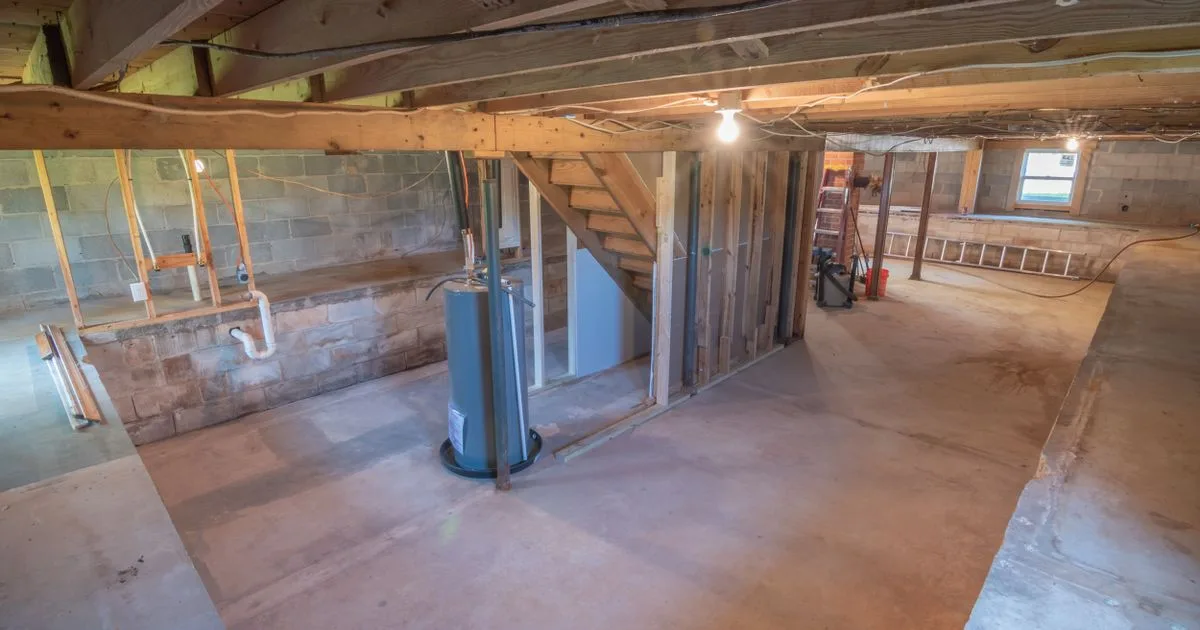
Radon in Well Water: Why the Real Risk Is the Air
Radon in well water is mostly an inhalation risk. It off-gasses into indoor air during showers and washing. There is no enforceable federal limit, and about 168 cancer deaths a year are linked to it.
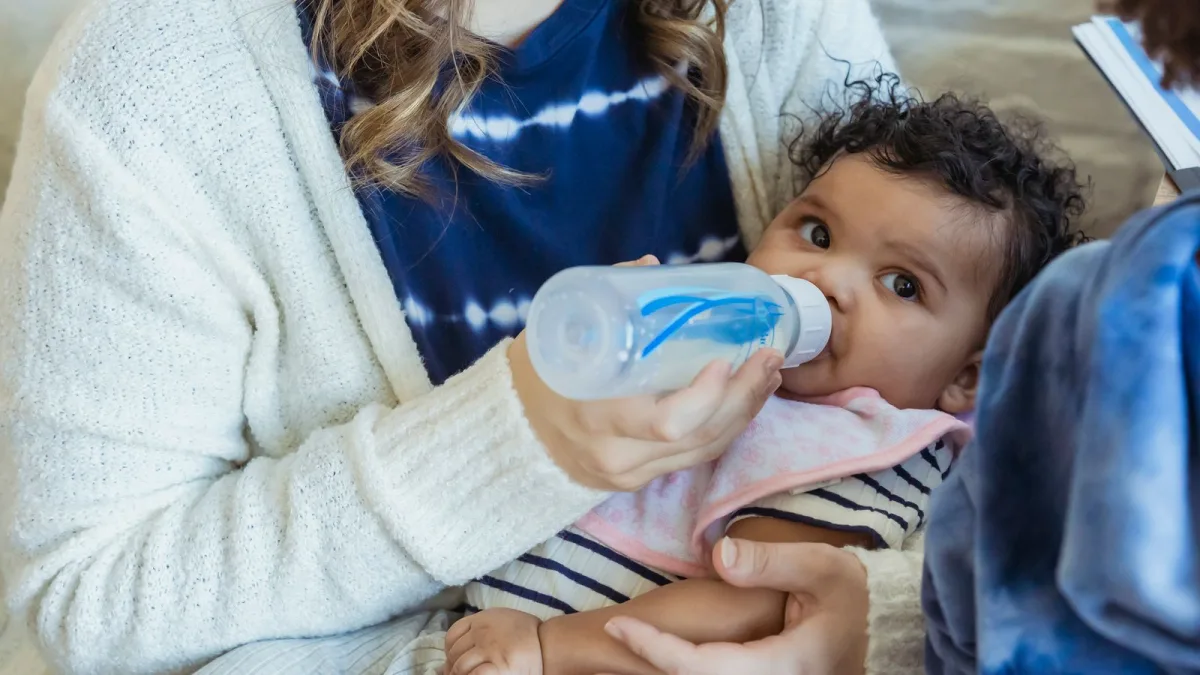
Cadmium in Water: Why Infants Accumulate More
Cadmium in drinking water builds up in infants for decades. The EPA's 5 ppb legal limit sits 125x above the 0.04 ppb health guideline. See the safe number.
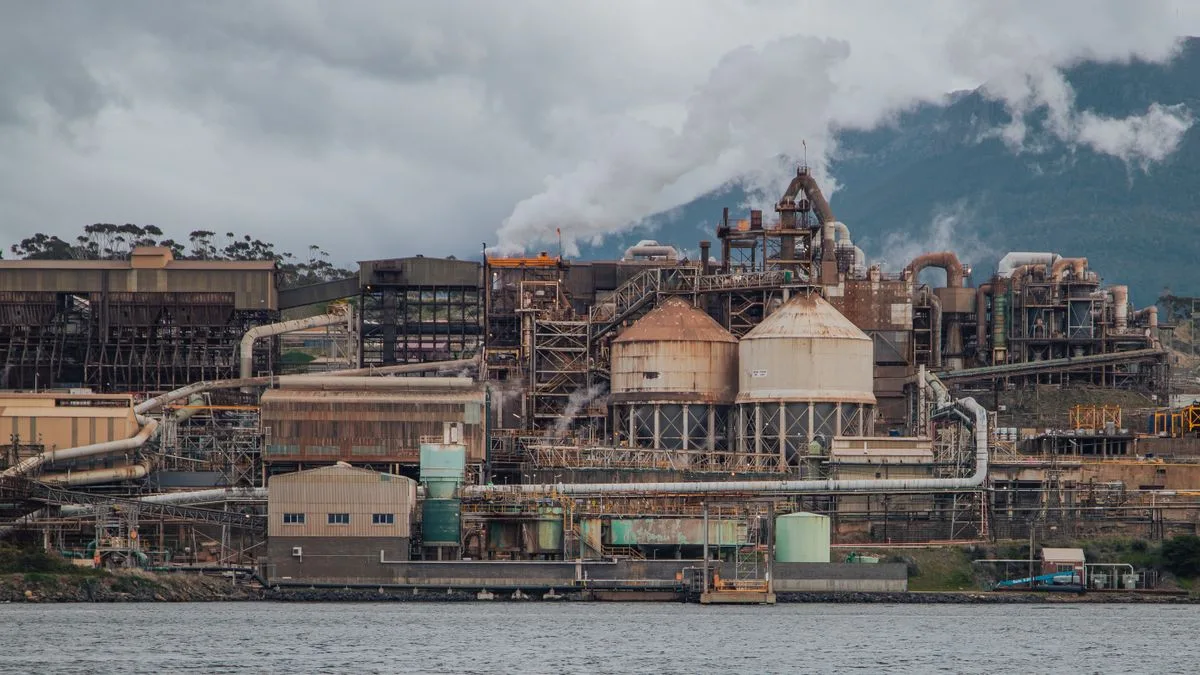
GenX (HFPO-DA): The PFOA Replacement, Explained
GenX (HFPO-DA) replaced PFOA as a safer alternative, yet targets the same organ, the liver. EPA's 2024 rule sets a 10 ppt limit and folds it into the PFAS Hazard Index.

Is Tap Water Safe During Pregnancy? Legal vs Safe
Is tap water safe during pregnancy? EPA's legal arsenic limit is 2,500x above the level a fetus is protected at. See the real safe numbers, and how to hit them.
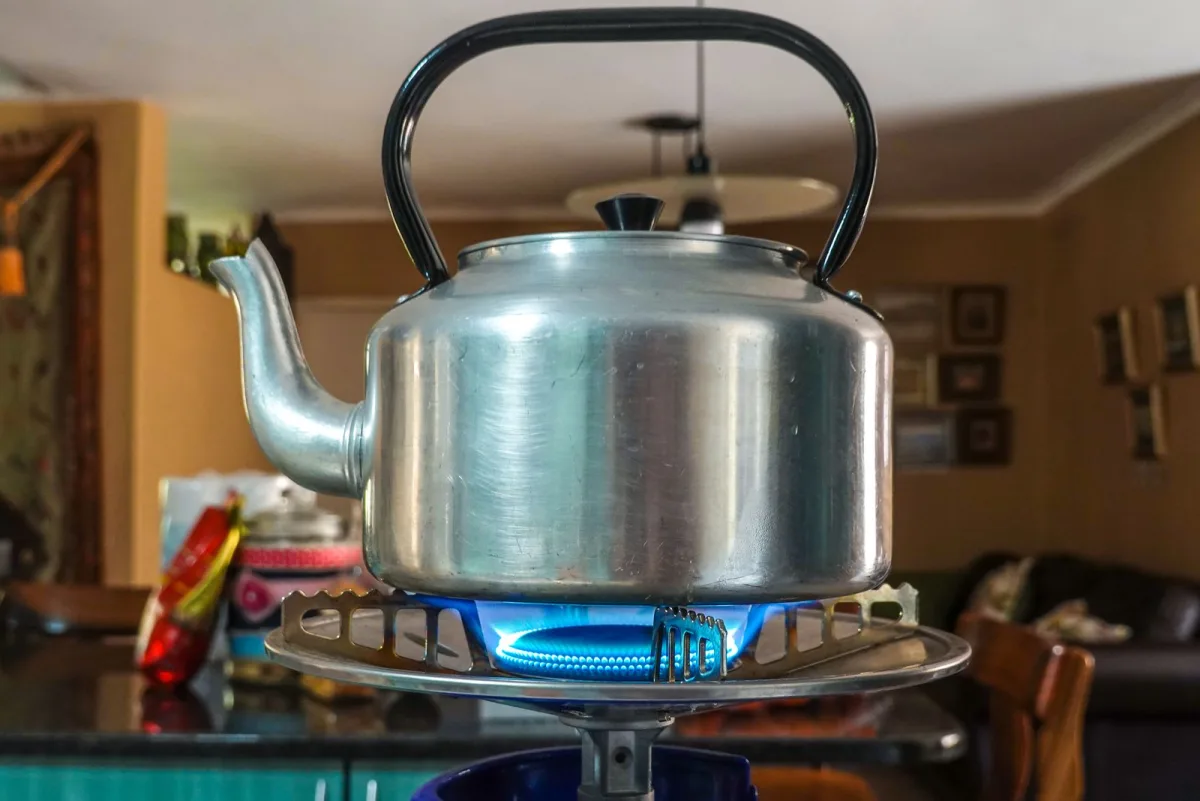
Boiling Tap Water for Baby Formula: Lead & Arsenic
Boiling baby formula water kills Cronobacter but never removes lead or arsenic. Arsenic's health guideline is 0.004 ppb, 2,500x below the legal limit.

Barium in Water and Blood Pressure: Risk After 65
Barium's EPA limit is 2 mg/L, but health scientists flag 0.7 mg/L for older adults with high blood pressure. Here's the cardiovascular gap and how to close it.

Nitrate in Well Water While Pregnant: Legal vs Safe
Nitrate in well water while pregnant: the EPA's 10 mg/L legal limit sits 71x above the 0.14 mg/L health guideline. See the real safe number for your baby.
Lead in Baby Formula Water: Why Infants Absorb 40-50%
Infants absorb 40-50% of the lead in formula water, vs ~10% in adults, and there's no safe level of lead for a baby. Here's how to filter it out of your tap.

Westies, Bladder Cancer & Tap Water DBPs
Westies are predisposed to urothelial carcinoma, but no study establishes a Westie-specific THM risk or safe water level. See the corrected Backer result and practical next steps.
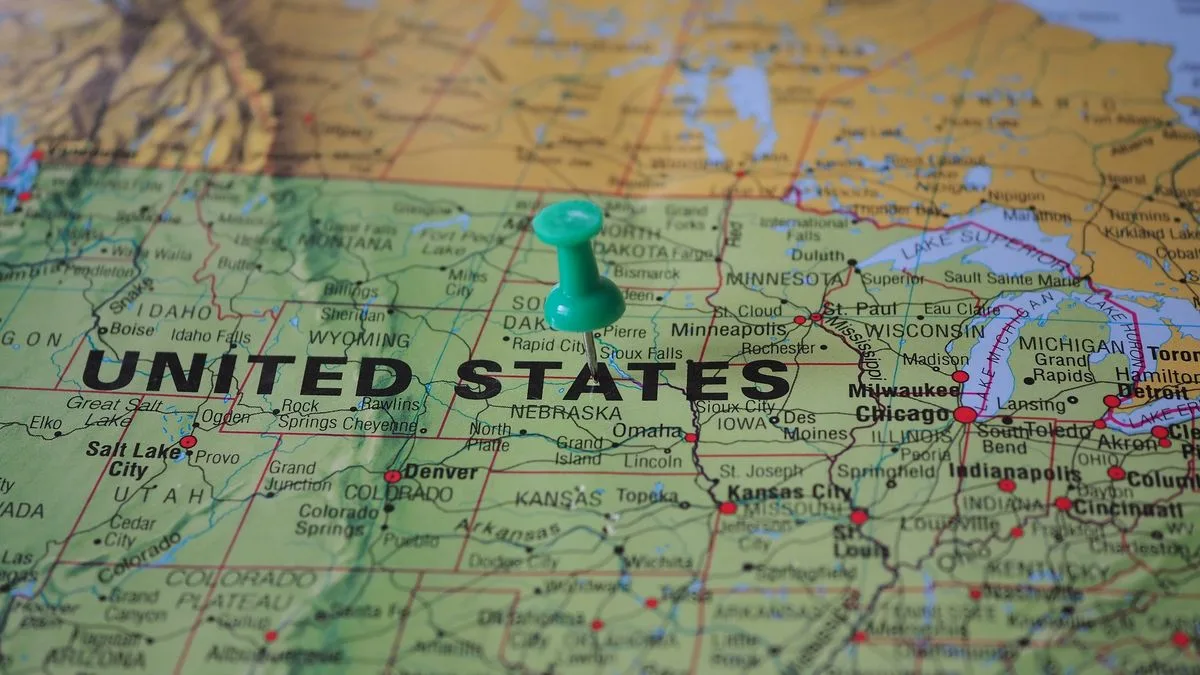
State Water Rules: Why Protection Depends on Your State
Federal law allows arsenic up to 10 ppb, 2,500 times California's 0.004 ppb health goal. Some states set stricter limits, so protection depends on where you live.

OEHHA Age Sensitivity Factor: The 10x Infant Rule
OEHHA's Age Sensitivity Factor weighs early-life cancer risk 10x per dose. Here's why infant arsenic exposure needs a safe level far below the 10 ppb legal limit.
HAA5 in Water: Legal Limit vs. Zero Health Goal
The EPA legally allows 60 ppb of HAA5 chlorination byproducts in tap water, yet its own health goal for one of the five, dichloroacetic acid, is zero. Here is the honest gap.

Water Filters and Sperm Quality: What Research Says
Can water filters improve sperm quality? EPA allows atrazine at 3 ppb, 30x the 0.1 ppb health guideline. See what research says about endocrine disruptors in tap water.
Arsenic in Baby Formula Water: Safe Level for Newborns
Arsenic in baby formula water: the EPA's 10 ppb legal limit is 2,500x above the 0.004 ppb health-protective guideline. Here's the real safe level for a newborn.

Why Babies Need Stricter Water Standards: The Science
Why are babies more sensitive to water contaminants? Newborns drink 150 mL/kg/day and absorb 40-50% of lead vs 10% in adults. The 10x science, explained.
Best Reverse Osmosis for PFAS: The Cert to Check
Reverse osmosis rejects over 99% of PFAS and can reach below EPA's 4 ppt limit. The spec that proves it: NSF/ANSI 58 certified for PFOA and PFOS reduction.
RO vs Carbon Filter for Pregnancy: PFAS & Arsenic
Best water filter for pregnancy? Reverse osmosis reduces 90-99% of arsenic, lead, and PFAS; carbon filters miss arsenic entirely. See the full RO vs carbon comparison.
PFAS Hazard Index in Pregnancy: Why 3 Safe PFAS Fail
The PFAS hazard index adds up mixtures of forever chemicals: three PFAS each below 10 ppt can still fail EPA's limit of 1. Here's what it means in pregnancy.
Thallium in Tap Water: The 20x Legal-vs-Safe Gap
Thallium is a potent neurotoxin that mimics potassium. The EPA allows 2 ppb, but the health goal is 0.1 ppb, a 20x gap that matters most for aging kidneys and nerves.

Boiling Tap Water While Pregnant: Does It Help?
Boiling tap water while pregnant kills microbes but concentrates lead and arsenic as water evaporates. It cannot remove metals, and arsenic's safe level is 0.004 ppb.

Permethrin and Cats: Evidence, Exposure, and Water
Cats are highly susceptible to concentrated permethrin products, but published poisoning studies do not establish a zero-ppb drinking-water threshold or show that trace water exposure is fatal.
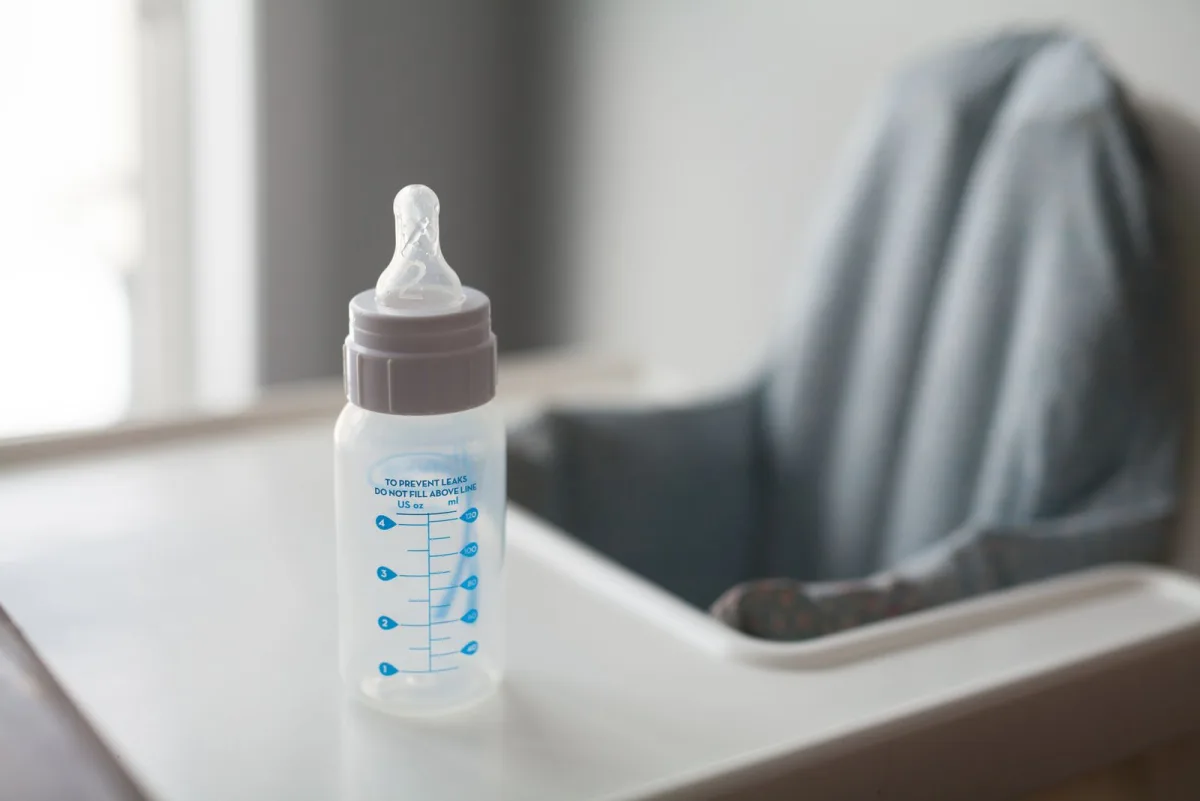
Blue Baby Syndrome: Safe Nitrate Level for Formula
Nitrate above 10 mg/L in well water can cause blue baby syndrome, but the safe level for infant formula is 0.14 mg/L as N, a 71x gap. See the real number.
How the EPA Sets MCLs: MCLG vs MCL Explained
The EPA's health goal for lead and arsenic is zero, yet the enforceable arsenic limit is 10 ppb. Here's how the MCLG-vs-MCL feasibility gap actually works.
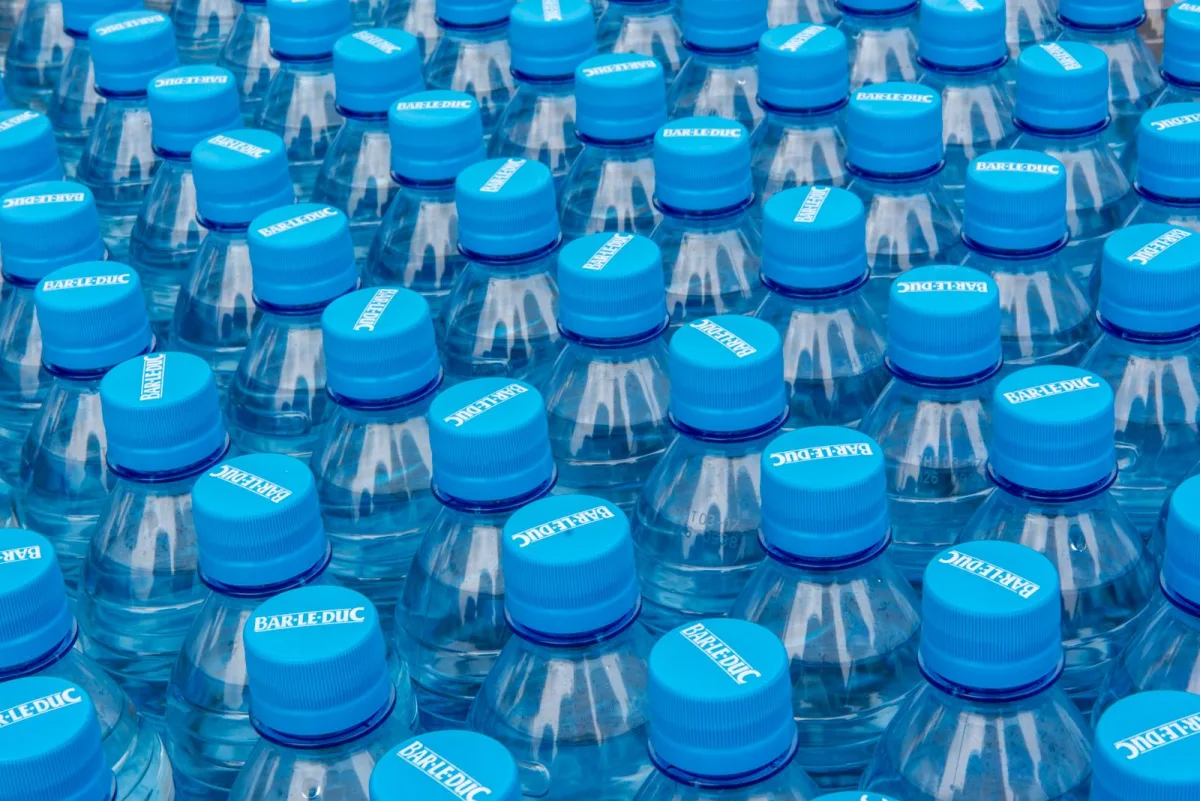
Bottled vs Tap Water in Pregnancy: Microplastics
Bottled water vs tap in pregnancy: bottled-only drinkers ingest ~90,000 microplastics a year vs ~4,000 for tap. See the safer choice and the filter that works.
Best Water Filters for Immunocompromised Patients
Chlorine doesn't reliably kill Cryptosporidium. Immunocompromised patients need an NSF/ANSI 53 cyst-reduction filter (absolute 1 micron) or reverse osmosis.

Fluoride, Infant Formula & the NTP 2024 Findings
Is fluoride in tap water safe for infant formula? The NTP 2024 review tied lower IQ to fluoride above 1.5 mg/L. See the safe level for bottle-fed babies.

Uranium in Water & Pregnancy: The 60x Kidney Gap
Uranium in drinking water strains maternal kidneys in pregnancy. The EPA's 30 ppb legal limit is 60x above the ~0.5 ppb health goal. See the real safe number.
THMs: The 533x Legal-vs-Safe Gap in Tap Water
The EPA lets tap water carry 80 ppb of THMs; EWG's cancer-risk guideline is 0.15 ppb, a 533x gap. Here is what legal versus safe means for a real carcinogen.

Manganese in Well Water & Pregnancy: Safe Levels
Manganese in well water during pregnancy: no federal limit exists, and the pregnancy-safe level is 100 ppb. Children exposed to more scored about 6 IQ points lower.
Lead in Drinking Water During Pregnancy: Safe Level?
Is there a safe level of lead in drinking water during pregnancy? Health agencies say no: lead crosses the placenta, and the EPA's own health goal for lead is zero.
How to Test Water for PFAS: Labs, Costs, Results
Certified labs test tap water for PFAS using EPA Methods 537.1 and 533, typically $250 to $600. Here's how to read results against the 4 ppt federal limit and Hazard Index.
Chlorite in City Water & Infant Red Blood Cells
Chlorite, a chlorine dioxide byproduct, is legal up to 1,000 ppb, 20x the 50 ppb guideline that protects infant red blood cells. See how to filter it out.
Bromate in Water: The 100x Legal-vs-Safe Gap
Ozone disinfection can create bromate, a likely carcinogen. The EPA allows 10 ppb, 100x the 0.1 ppb health guideline. Here's the tradeoff and how to filter it.

Uranium & Aging Kidneys: Why 30 ppb Hits Harder
Uranium in tap water is a kidney toxin. After 65, filtration falls 30 to 40%, so the EPA's 30 ppb limit is a larger effective dose for an aging kidney. Here's why.
Action Level vs Safety Standard: Lead & Copper Rule
An EPA action level is a treatment trigger, not a safety standard. The lead action level is 15 ppb, but the health goal for lead is zero: no amount is safe.
Cadmium: The 125x Legal-vs-Safe Bone-Loss Gap
The EPA allows cadmium at 5 ppb, but adult bone loss and kidney damage track to a 0.04 ppb health guideline, a verified 125x gap. Here's the risk and the fix.
Tap Water Safety for Cancer Patients on Chemo
Chemotherapy weakens immunity and Cryptosporidium resists chlorine. See what EPA and CDC advise immunocompromised patients, plus the 2,500x arsenic safety gap.
Lead and Kidney Disease: Why There's No Safe Level
The EPA sets its health goal for lead at zero because no level is safe. For kidney patients, whose damaged kidneys can't clear lead, even sub-15-ppb water matters.
Your Water CCR: Why 'Compliant' Isn't 'Safe'
Your annual CCR proves legal compliance, not safety: the EPA arsenic limit sits 2,500x above the 0.004 ppb health goal, and the report can't see lead from your own pipes.

Water Safety Standards After 65: The Renal Clearance Gap
After 65, kidney filtration falls 30-40%, so metals linger longer. EPA allows 10 ppb arsenic; the health guideline is 0.004 ppb, a 2,500x gap that aging bodies feel most.

CT Lead Service Lines: Is Your Home at Risk?
Up to 8,000 lead service lines remain in CT, but federal funding covers only 54% of replacements. How to check your home and protect your family.
Microplastics in CT Water: Risks & Filters
Microplastics found in every CT water source tested. A 2024 NEJM study linked them to 4.5x cardiovascular risk. What CT residents should do.
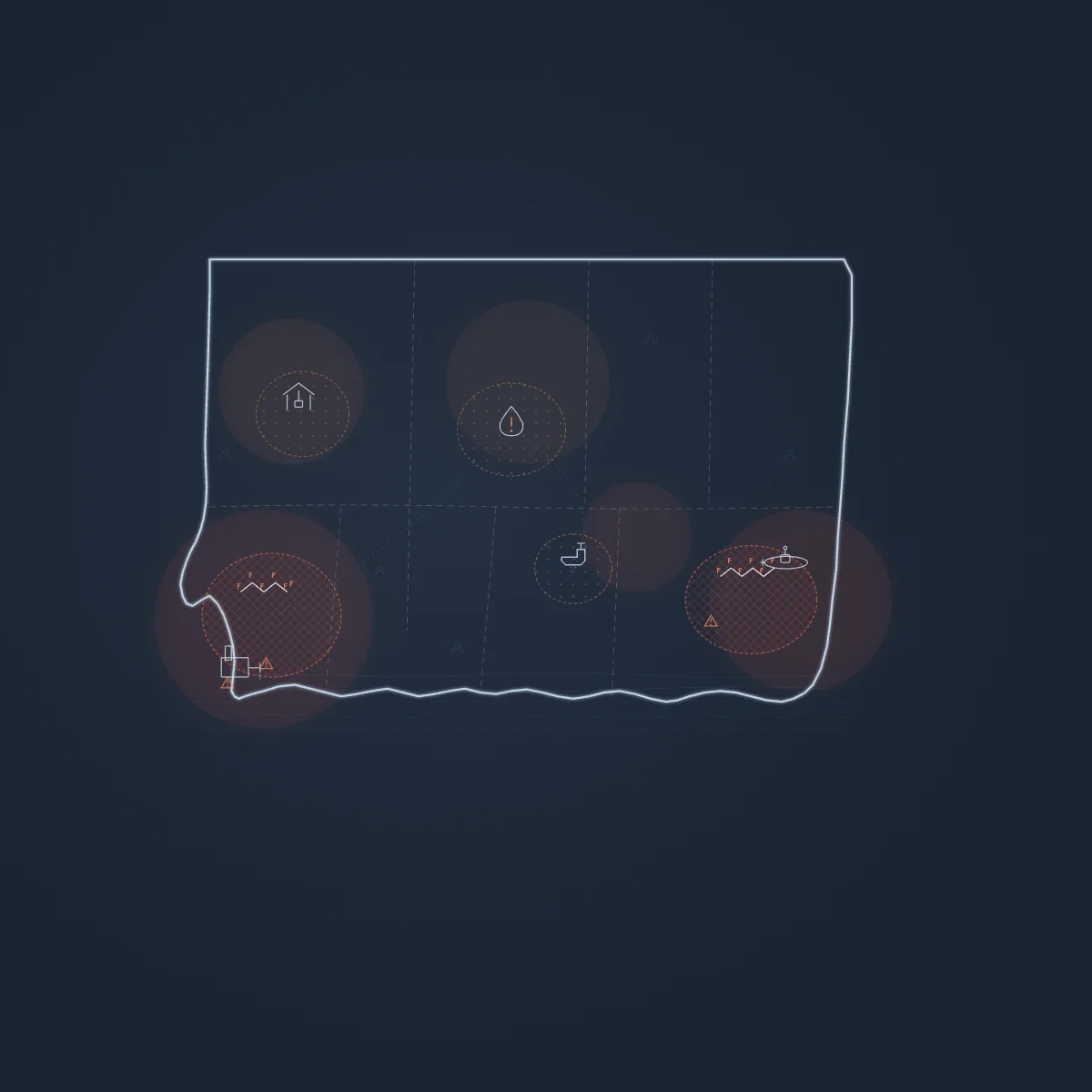
PFAS in CT Drinking Water: 2026 Guide
39 CT water systems tested positive for PFAS. Covers health risks, contamination maps, legal limits, filters, and steps for private well owners.
Lithium in Tap Water: The Honest, Unsettled Evidence
Some studies link naturally occurring lithium in tap water to lower suicide rates, but it's unproven. There's no federal limit; EWG's health guideline is 10 ppb.
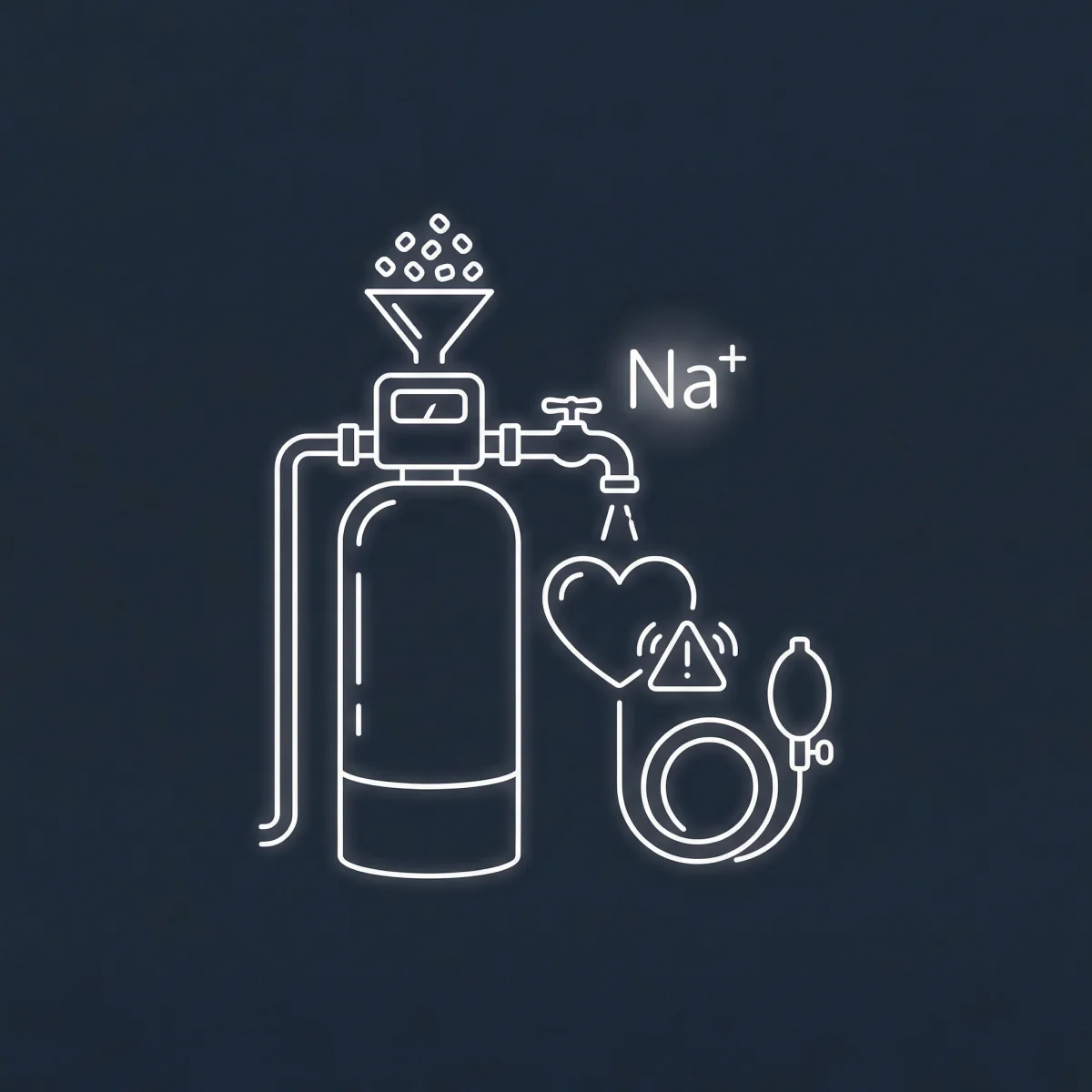
Is Water Softener Salt Bad for Your Health?
At 171 ppm hardness, a CT softener adds 117 mg sodium per liter, less than a slice of bread. Here's when that matters and when potassium chloride is better.
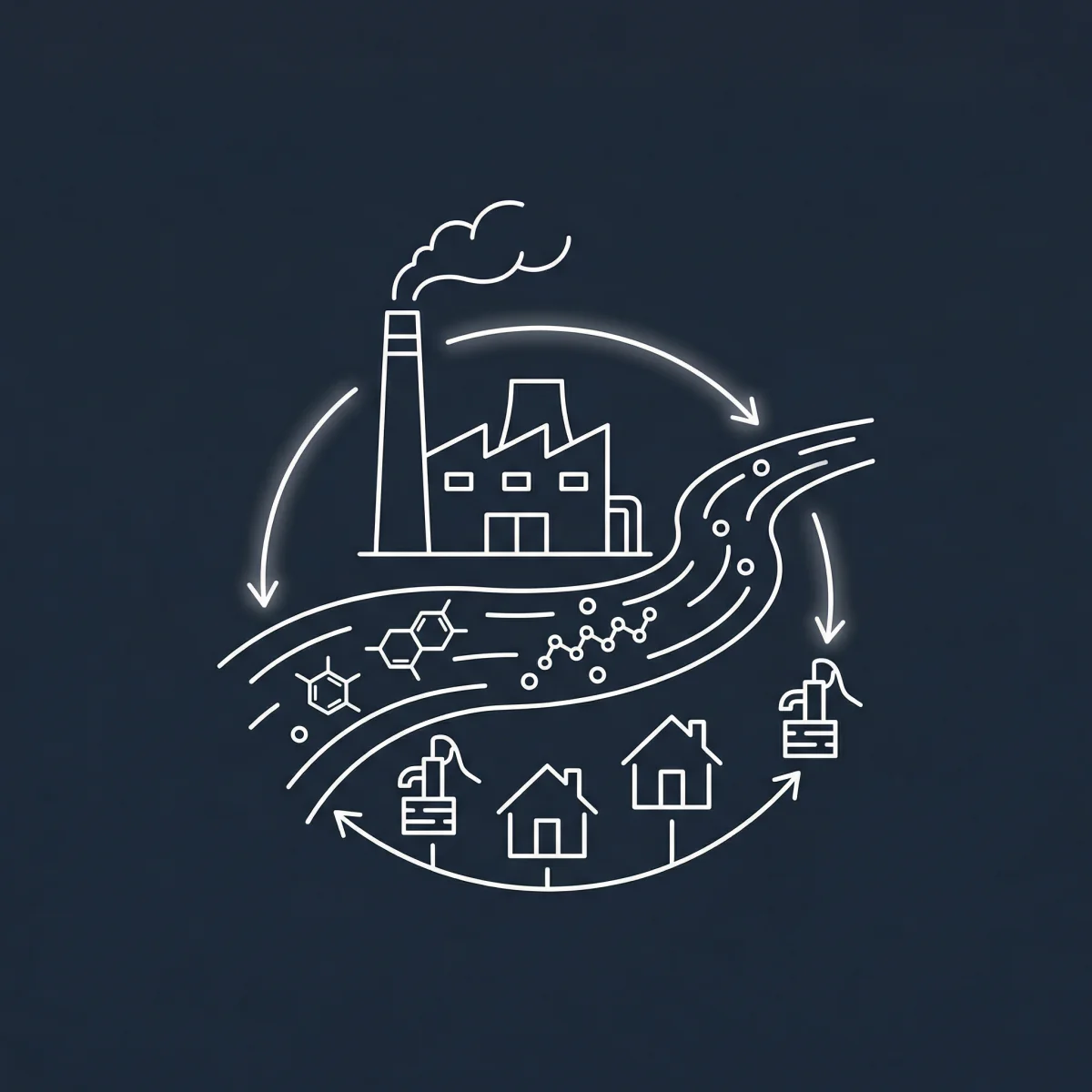
New Milford PFAS: Kimberly-Clark Paper Mill
April 2024 well tests near Kimberly-Clark's New Milford mill showed PFAS above EPA limits. The facility has operated since the 1890s, over a century of PFAS.
Chromium-6: The 5,000x Legal vs. Safe Water Gap
The EPA regulates total chromium at 100 ppb but sets no limit for toxic chromium-6, 5,000x above the 0.02 ppb health goal. Here's why legal isn't safe.
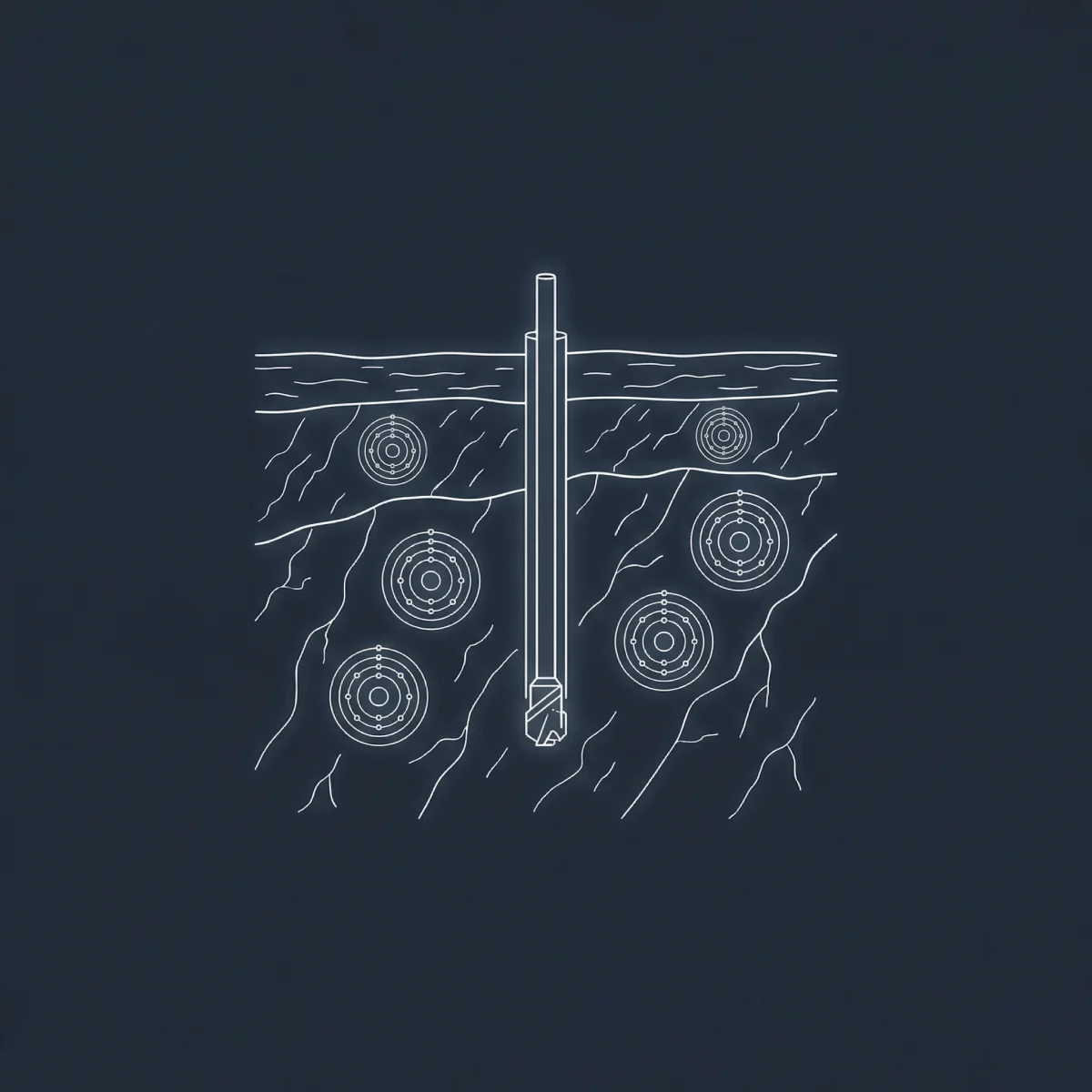
Uranium in Eastern CT Wells: The Granite Risk
Eastern CT's granite bedrock dissolves uranium into well water above the EPA's 30 mcg/L limit. A $30-$50 test detects it. Mortgage tests skip it.
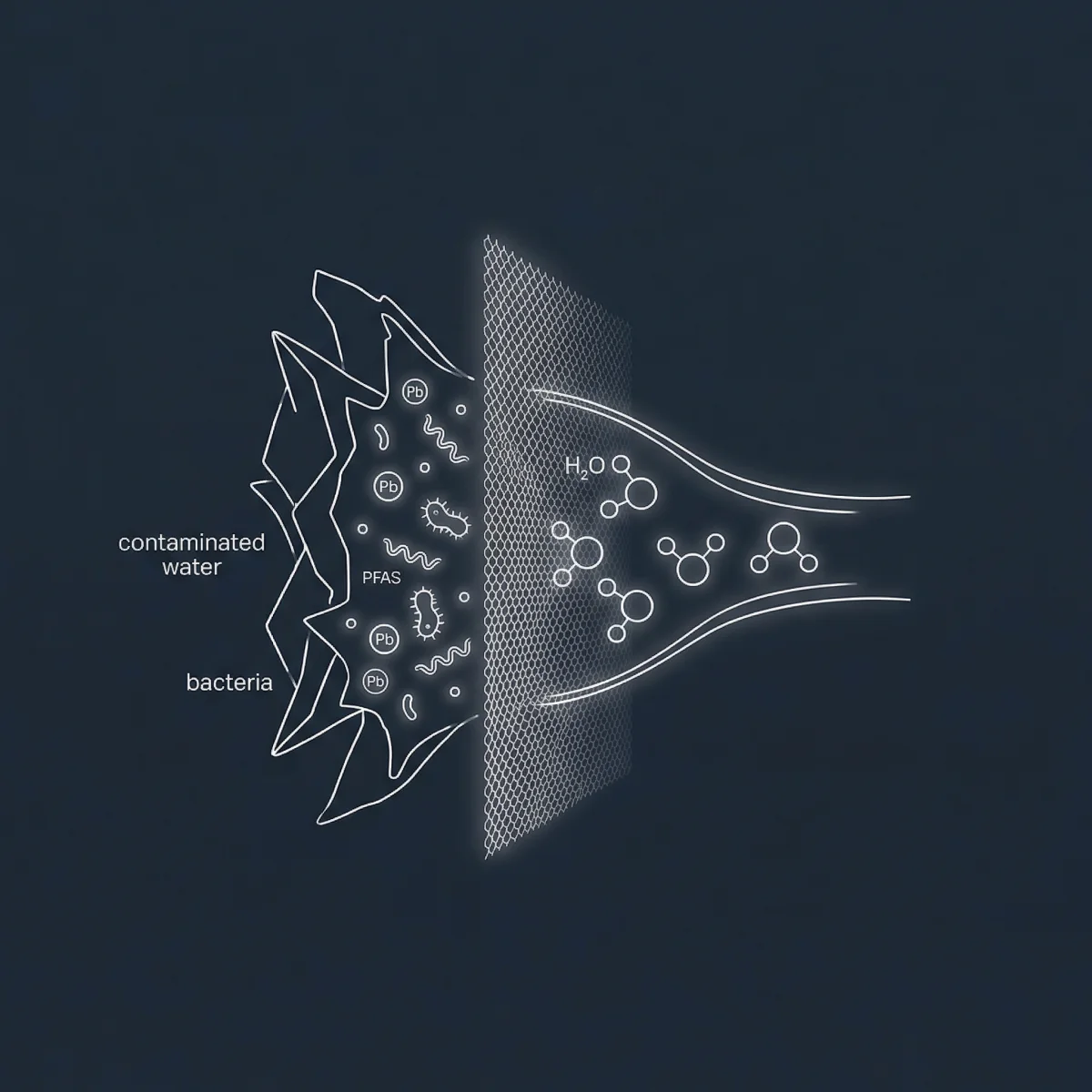
Reverse Osmosis: What It Removes in CT Water
RO removes 95%+ of PFAS, lead, arsenic, nitrates, and uranium. It wastes 3-4 gallons per gallon produced. Who in CT actually needs one ($300-$800).
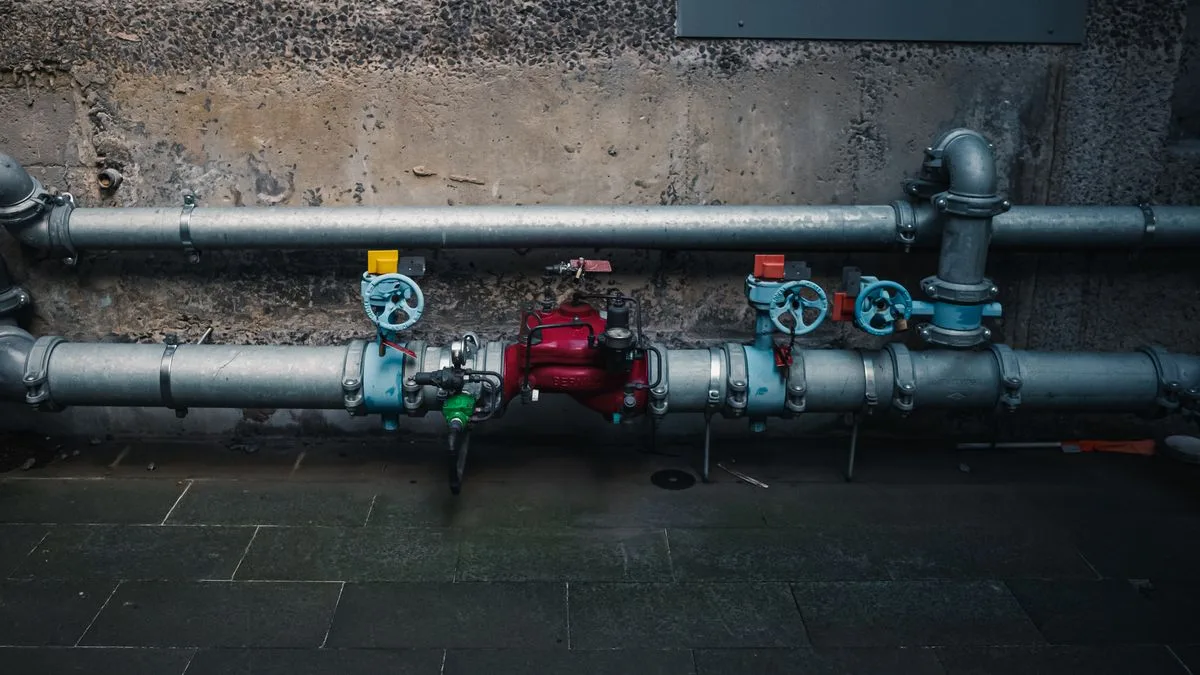
Water Filter by Contaminant: The Matching Guide
No single filter removes everything. Match the technology to the contaminant: carbon for chlorine, reverse osmosis for lead and PFAS, UV for microbes. Test first, then filter.
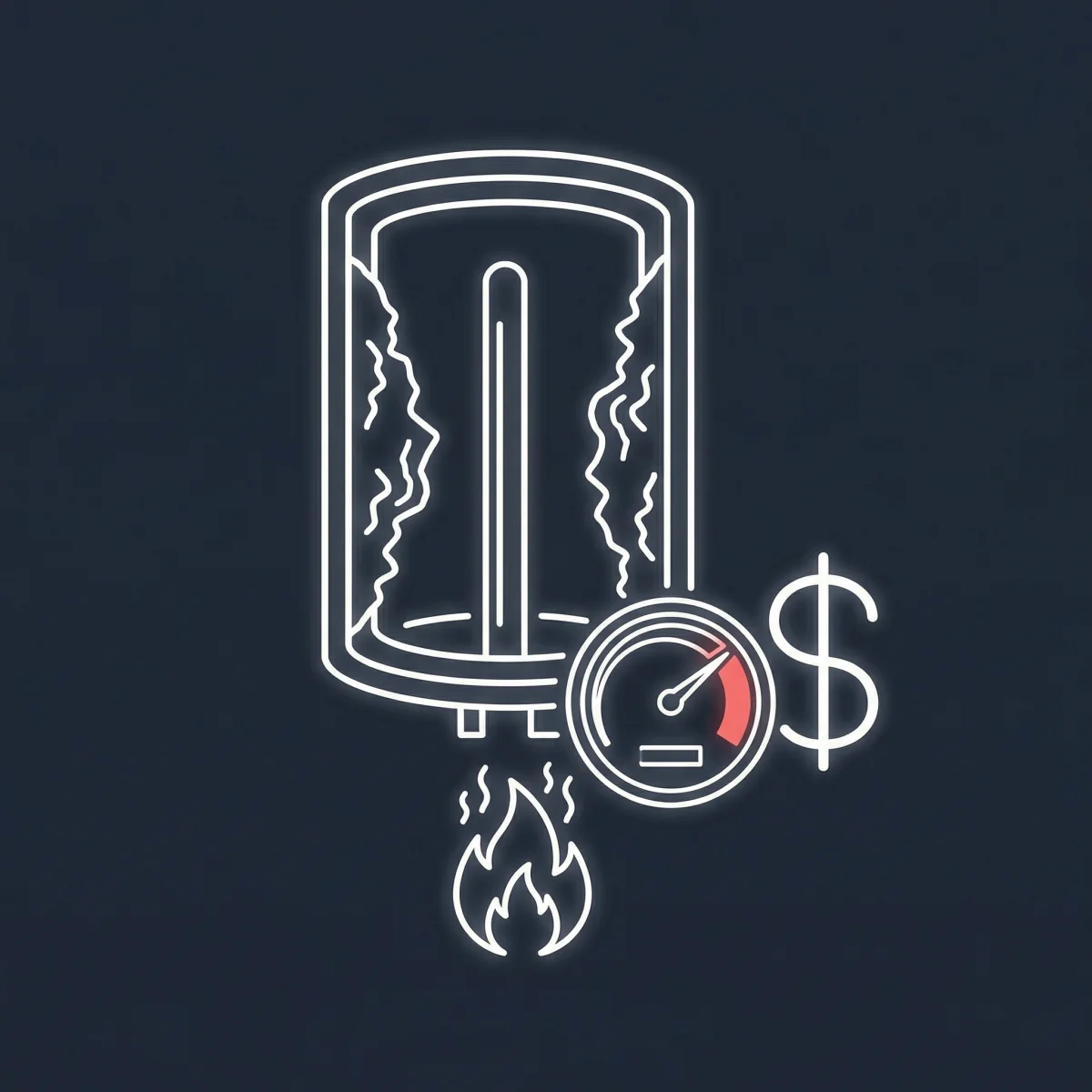
Hard Water Appliance Damage in Connecticut
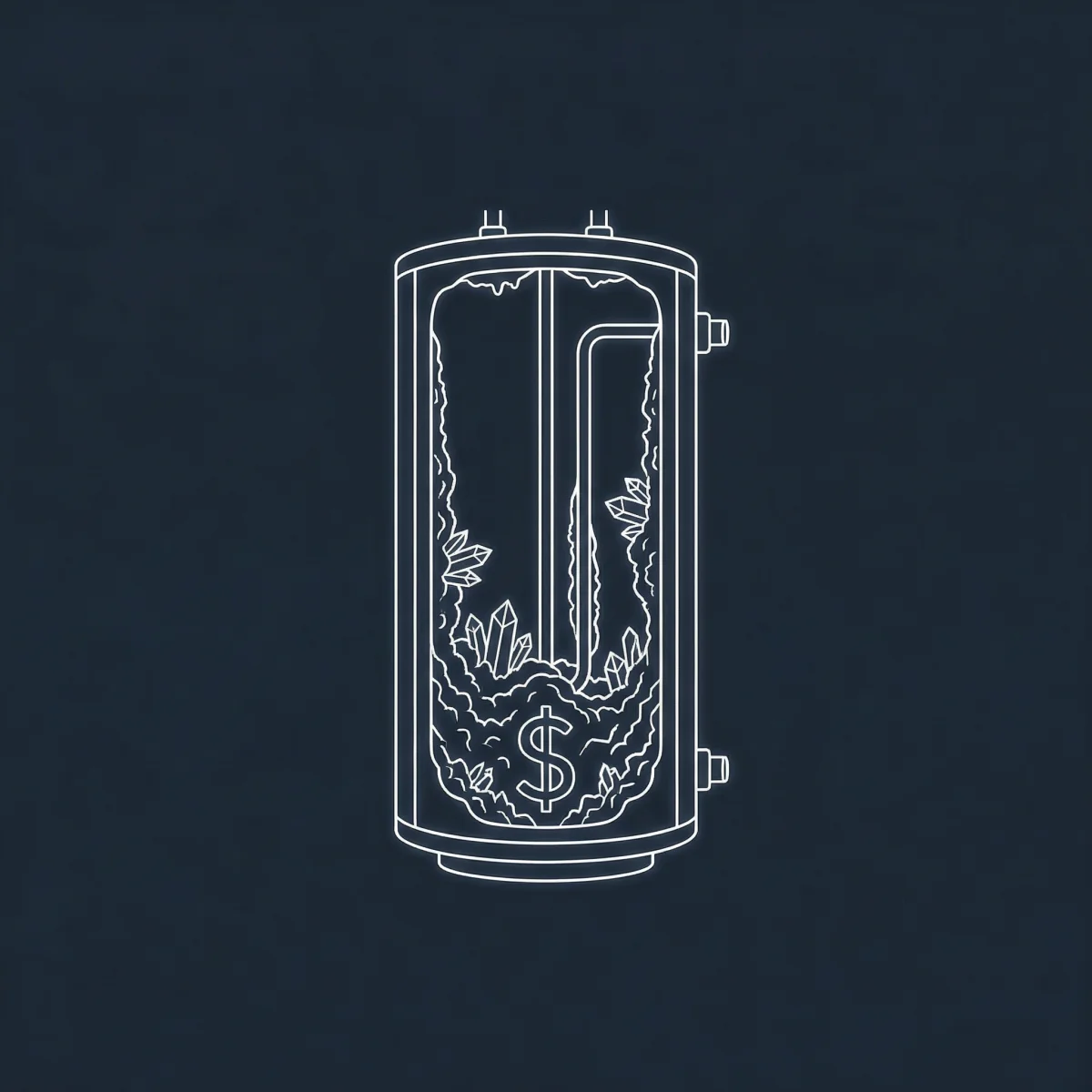
75% of water heaters fail by year 12 from hard water scale. At 171 ppm in Newtown, CT homeowners lose 24% heater efficiency in the first year of operation.

Bacteria in CT Well Water: What It Means
Total coliform, fecal coliform, and E. coli are 3 different results with 3 different risk levels. Here's how CT well owners should respond to each one.
Microplastics in Tap Water: No MCL & Best Filters
There is no EPA limit for microplastics in tap water. The Coffin et al. 2022 research screening level is about 90 µg/L. Here's what that means and which filters work.
Chlorine Byproducts in CT Municipal Water
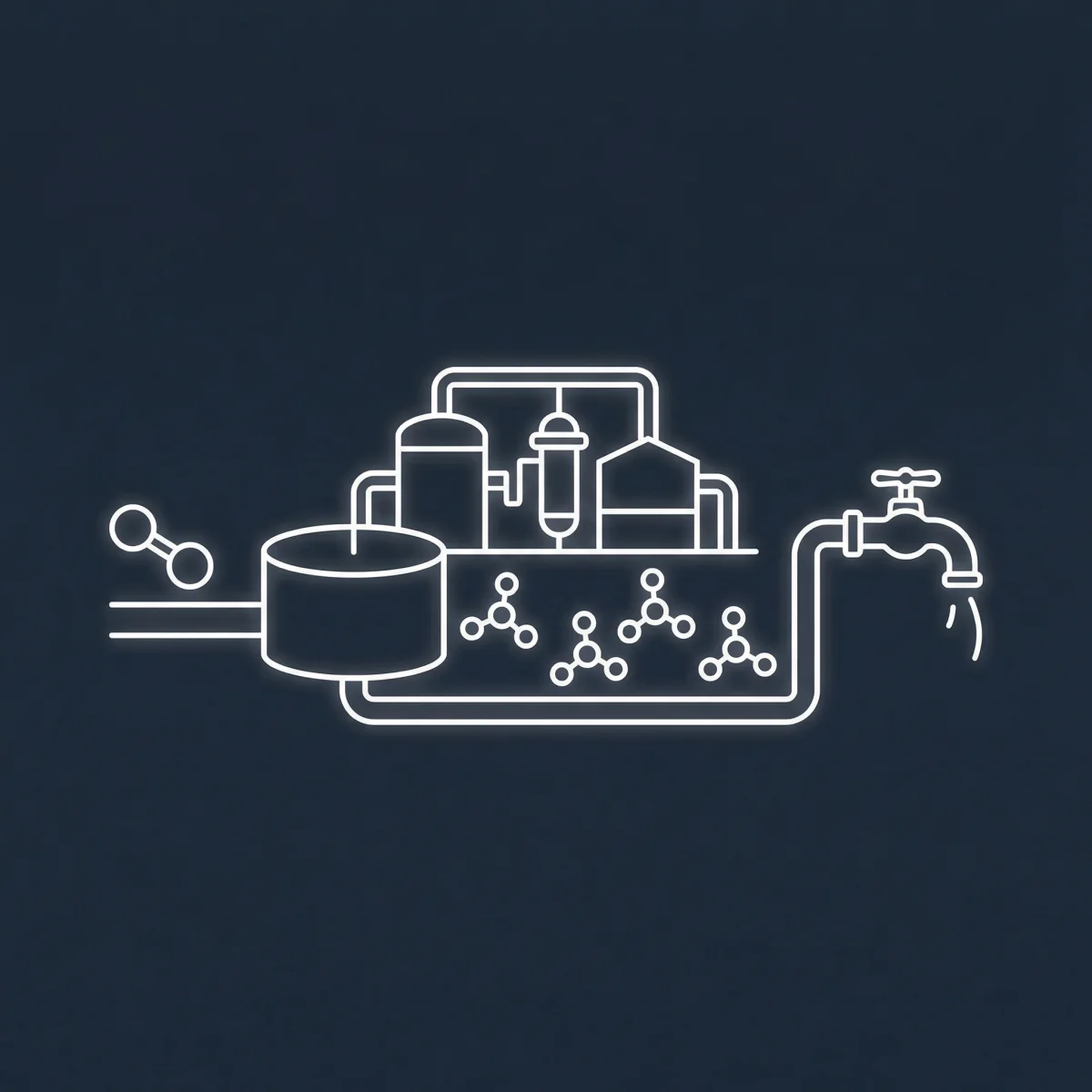
A 2010 meta-analysis linked chlorinated water to a 35% increased bladder cancer risk. CT's surface-water systems produce THMs and HAAs you should filter out.

CKD and Tap Water: Why Legal Lead Isn't Safe
Lead has no safe level, and CKD kidneys clear it slowly. The EPA's 15-ppb lead action level is a treatment trigger, not a safety line for kidney patients.
Killingworth PFAS: Its Own Fire Department
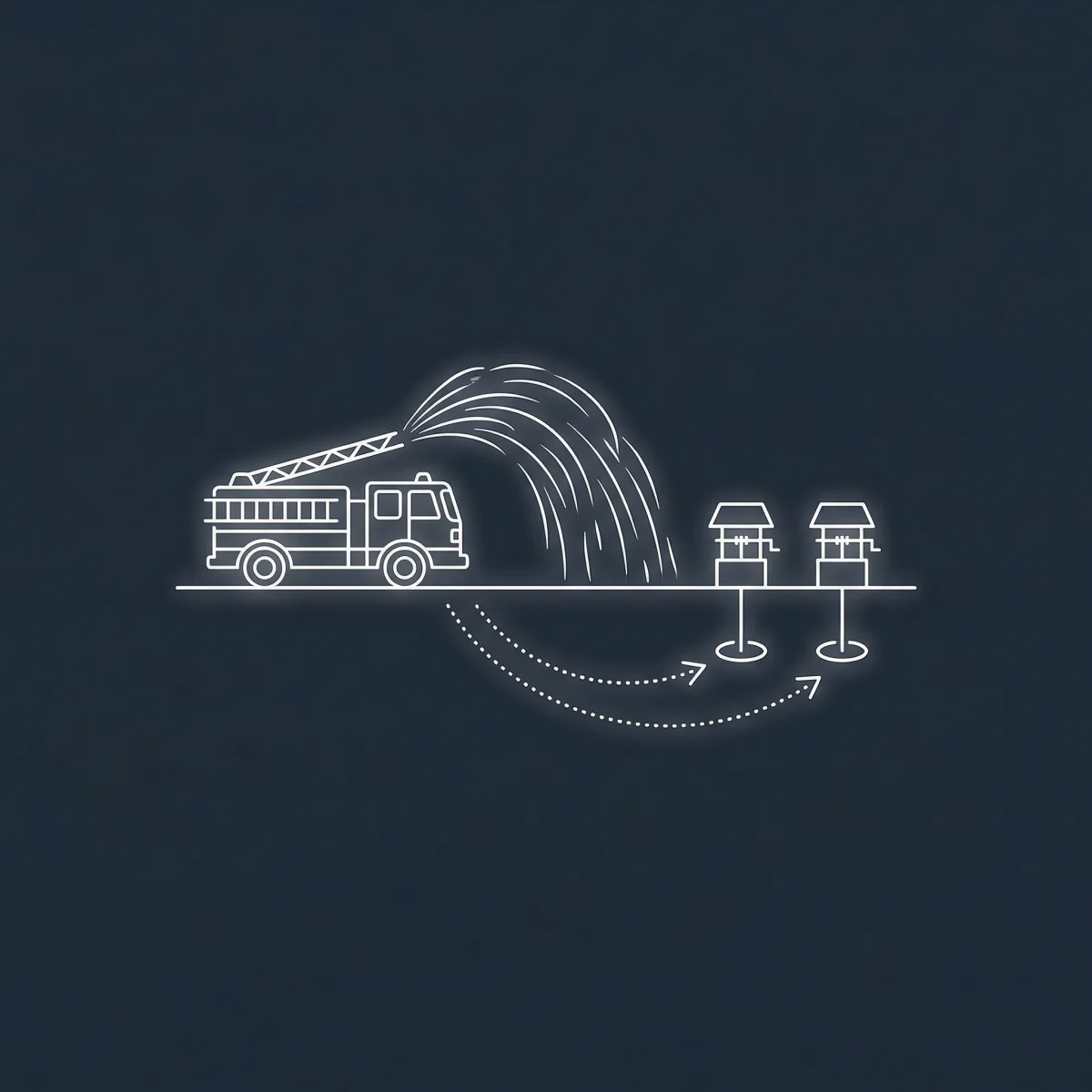
CT DPH has mapped nearly 700 PFAS-contaminated sites statewide. In Killingworth, AFFF foam from the volunteer fire department contaminated the town's own wells.
What Boiling Water Removes (and Doesn't)
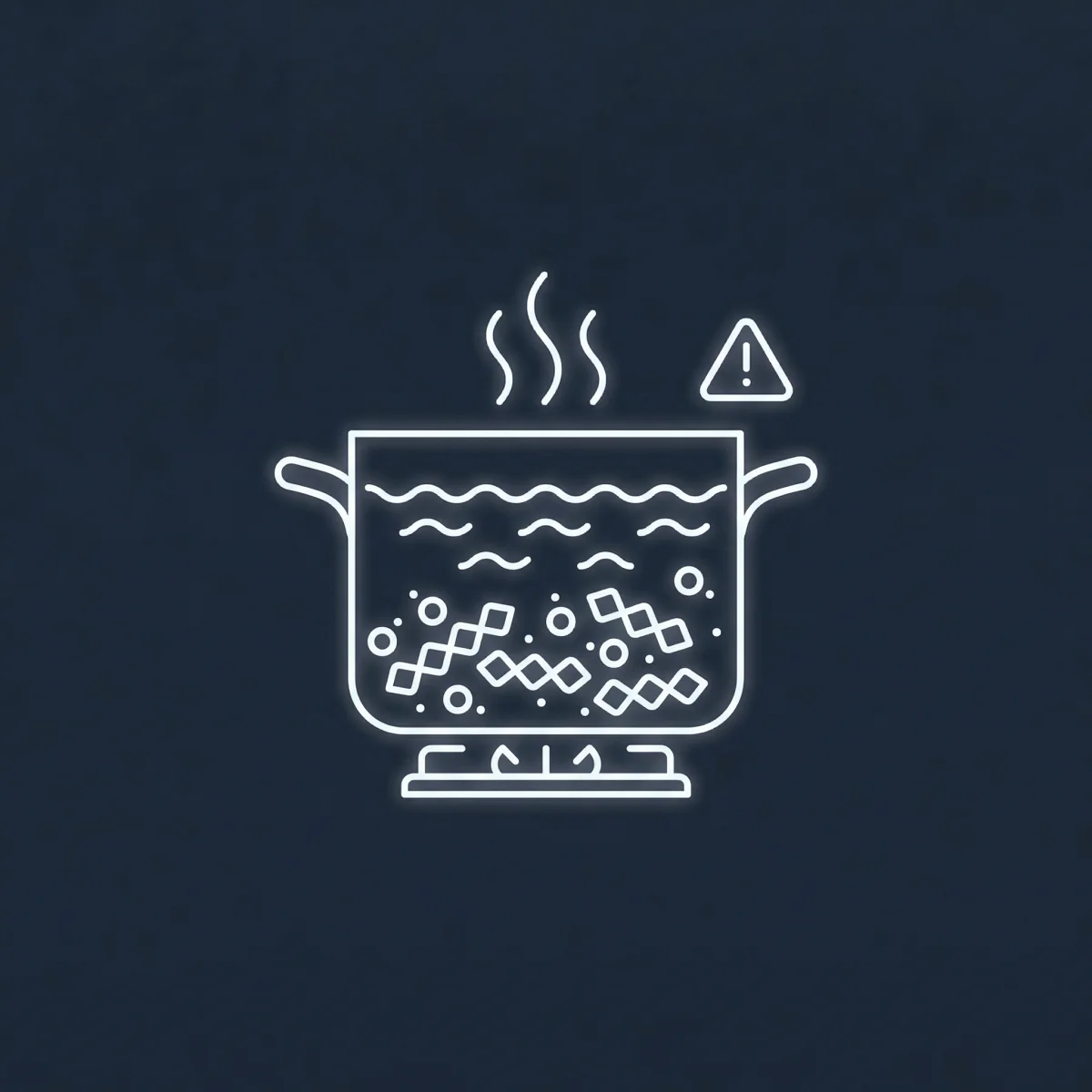
Boiling kills bacteria but concentrates lead, PFAS, nitrates, and arsenic. A 2026 Yale study confirmed boiling increases metal levels in your water.
Hard Water Cost in CT: Gas vs Electric Water Heaters
Most articles quote one efficiency penalty for hard water. The measured data says gas heaters lose about 8.5% at Newtown hardness, and electric heaters lose no efficiency at all.
Nursing Home Water Safety: A Facility Guide
In nursing homes the serious water risk is Legionella in the building's own plumbing, where 1 in 4 healthcare-linked cases are fatal. Whole-house filtration handles metals and DBPs, not Legionella.

Greenwich Has 1,500 Suspected Lead Pipes
Greenwich has 1,500+ suspected lead service lines despite $150K median income. Pre-1986 homes across Fairfield County share the same lead pipe infrastructure.

How AFFF Foam Creates Military-Base PFAS Plumes
Firefighting foam (AFFF) at 700+ U.S. military bases created PFAS groundwater plumes. EPA's PFOA and PFOS limit is 4 ppt, but the health goal is zero.
Your Mortgage Water Test Isn't Enough
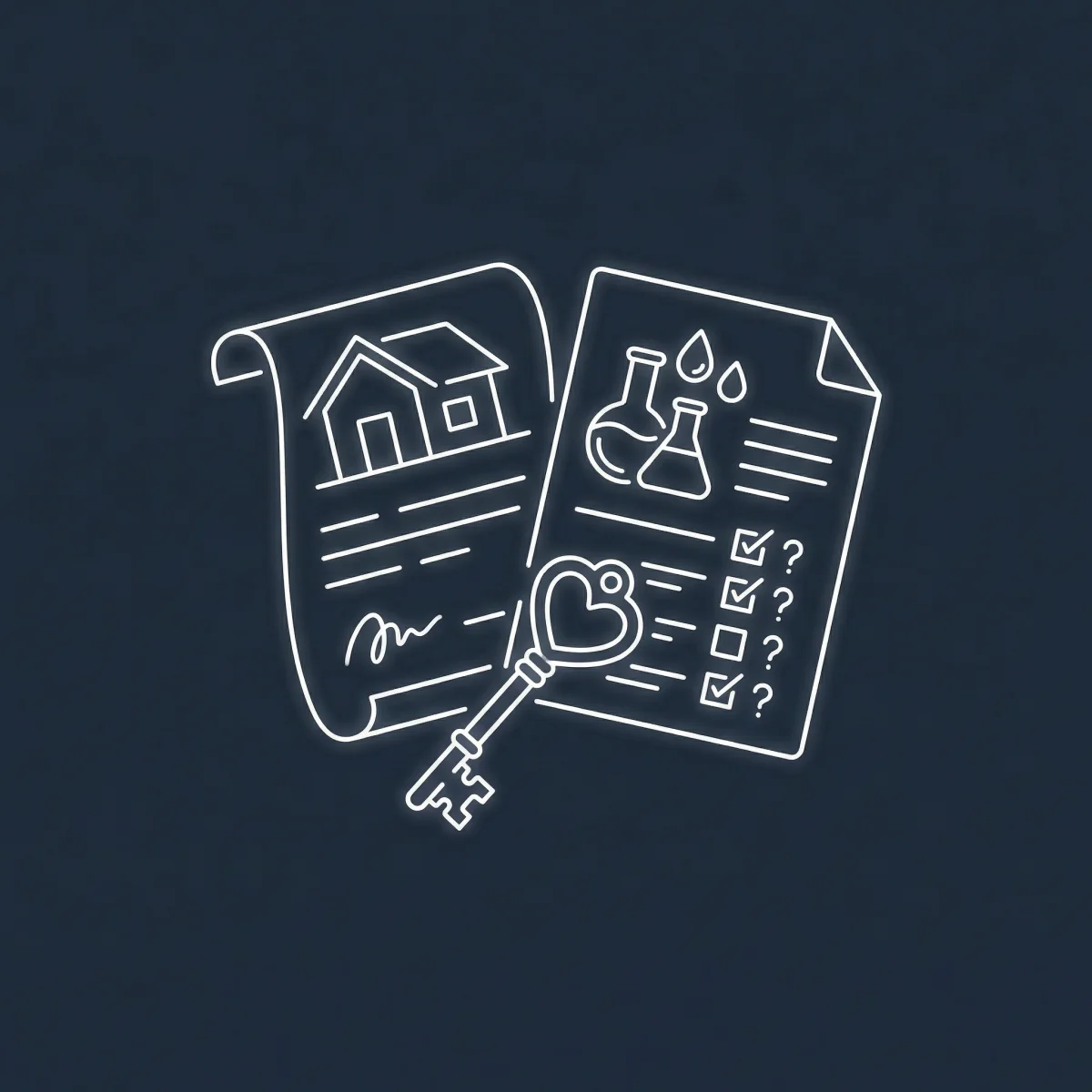
CT mortgage water tests skip PFAS, radon, uranium, and lead. A full test costs $400-$700, less than one mortgage payment, and covers 29 PFAS compounds.
PFAS, Thyroid Problems, and Hair Loss Link
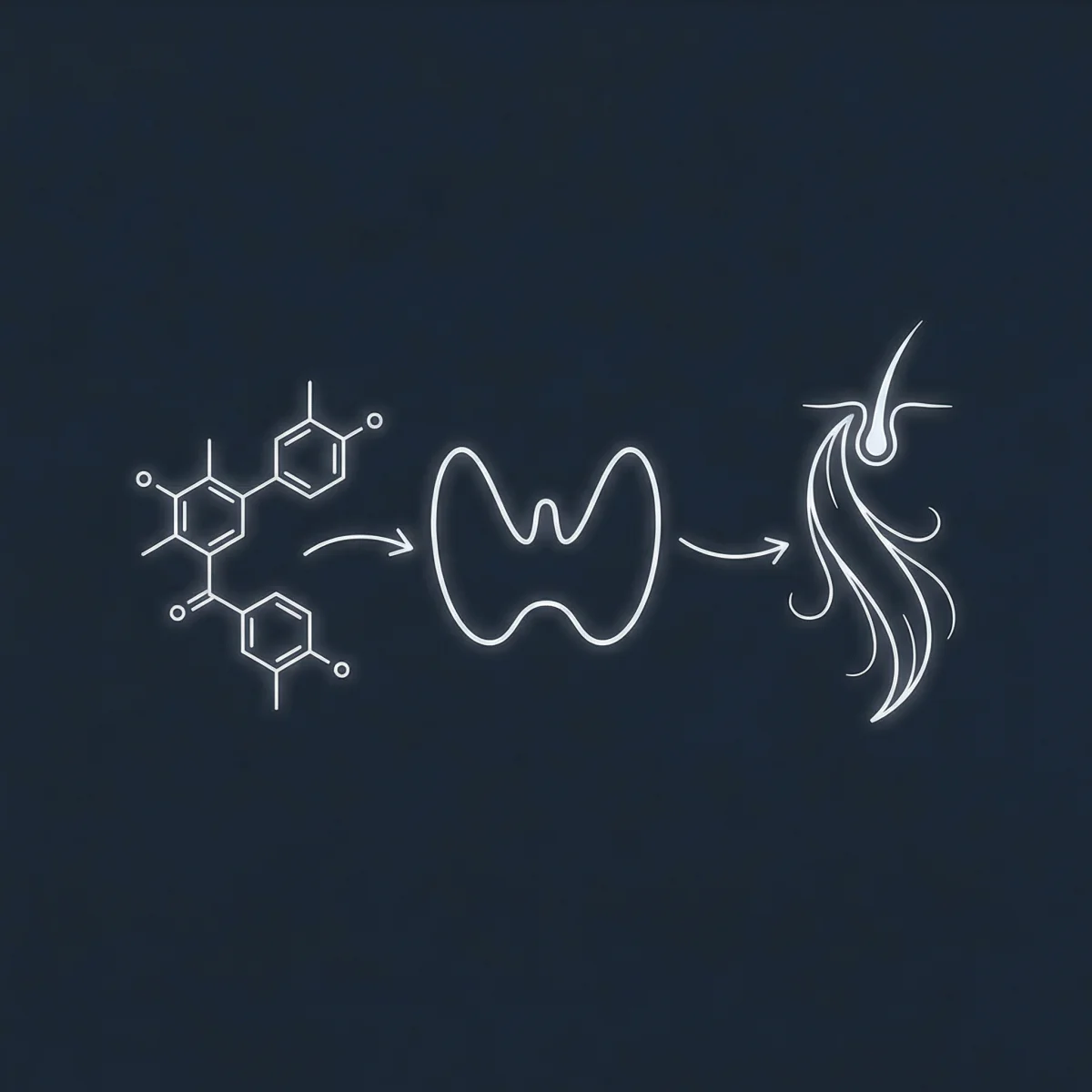
A 2020 meta-analysis of 23 studies found PFAS-thyroid links are 'consistent and robust.' Fairfield County's $150M PFAS problem may be driving thyroid disease.
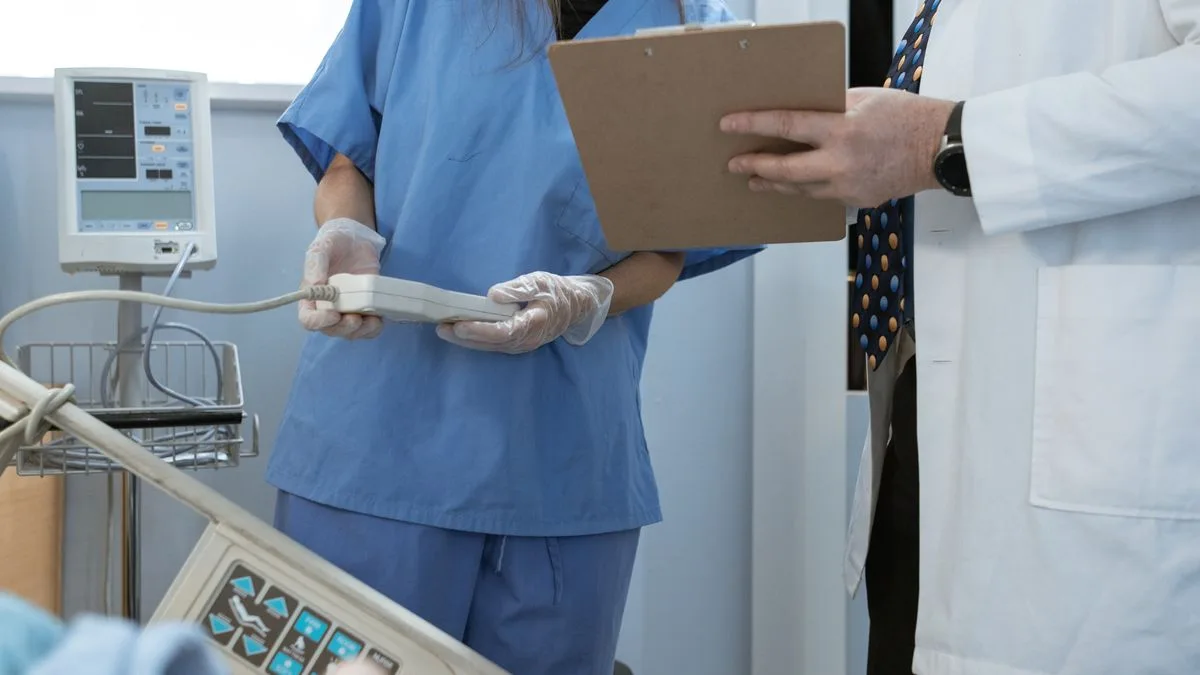
Chloramine and Dialysis: Why It Must Be Removed
Chloramine is safe to drink at the EPA 4 mg/L limit, but hemodialysis bypasses the gut. AAMI caps dialysis water at 0.1 mg/L total chlorine to prevent hemolytic anemia.
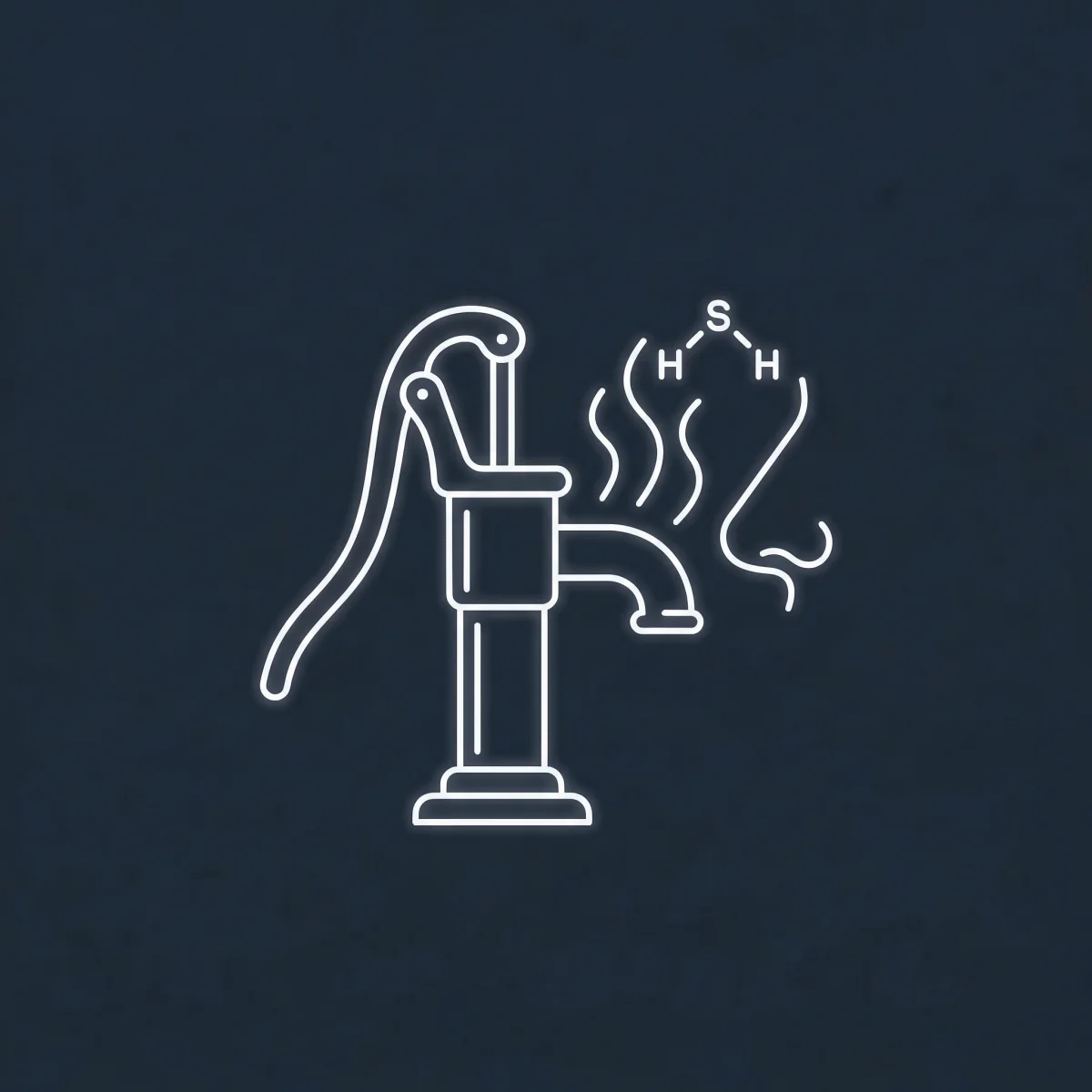
Rotten Egg Smell in CT Well Water: Causes
Hydrogen sulfide (H2S) in CT wells signals bacterial activity that can harbor coliform. Sulfur bacteria thrive in low-oxygen wells across 4 major CT valleys.
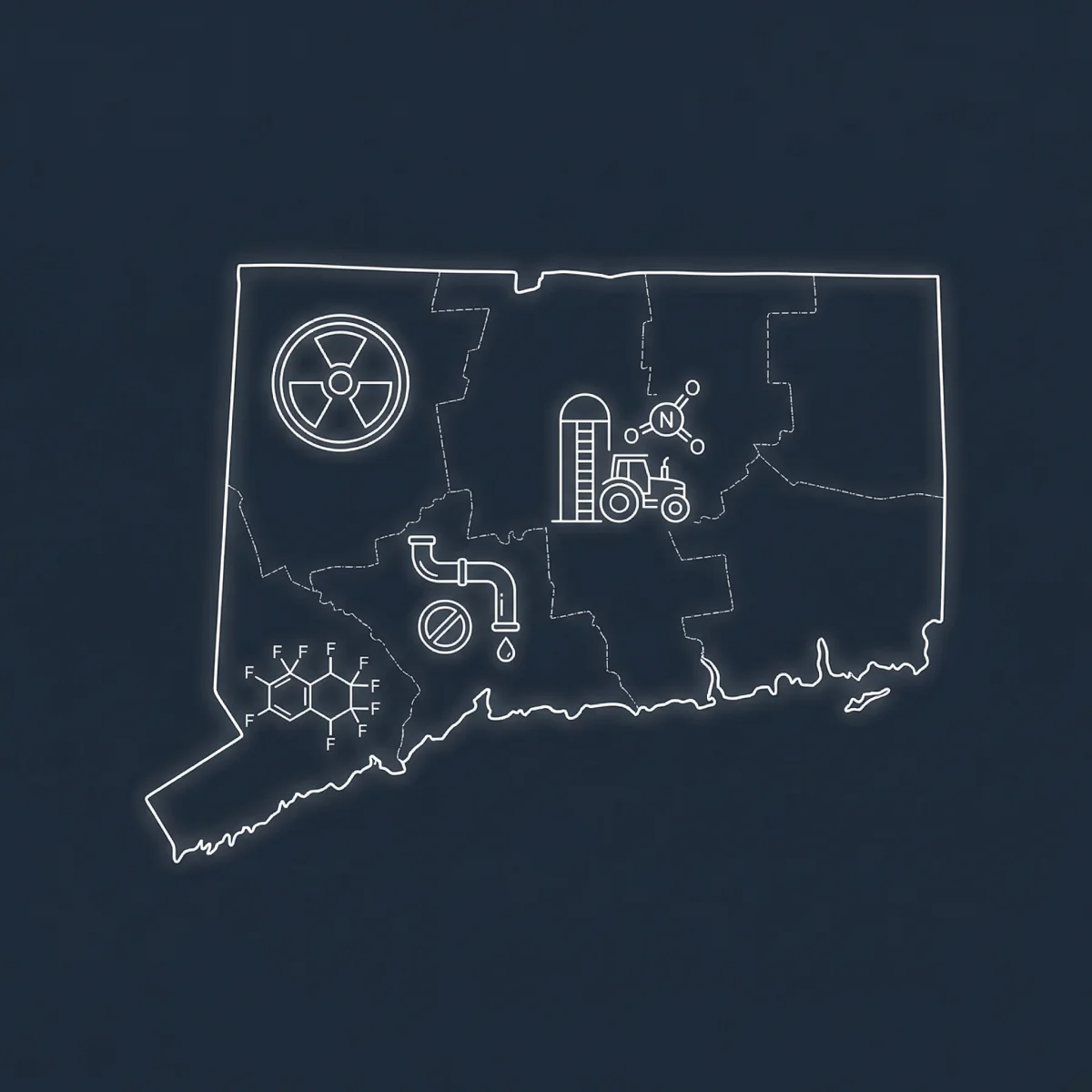
CT Water Quality by Town: A Complete Guide
CT's 169 towns each have different water risks. Newtown hardness hits 171 ppm, Greenwich has 1,500+ lead pipes. See your town's specific concerns.

Wildfires & Tap Water: Benzene From Melted Pipes
After the Tubbs and Camp Fires, utilities found benzene up to 40,000 ppb in tap water, 8,000 times the EPA limit of 5 ppb. Here's how wildfires poison pipes.
CT Water Bill PFAS Surcharge Explained
A new PFAS surcharge hit 110,000 CT Water customers in 2026. Aquarion's $150M cleanup is next. Here's what the charge covers and why you're footing the bill.
CT River Valley Well Nitrates: Farm Runoff
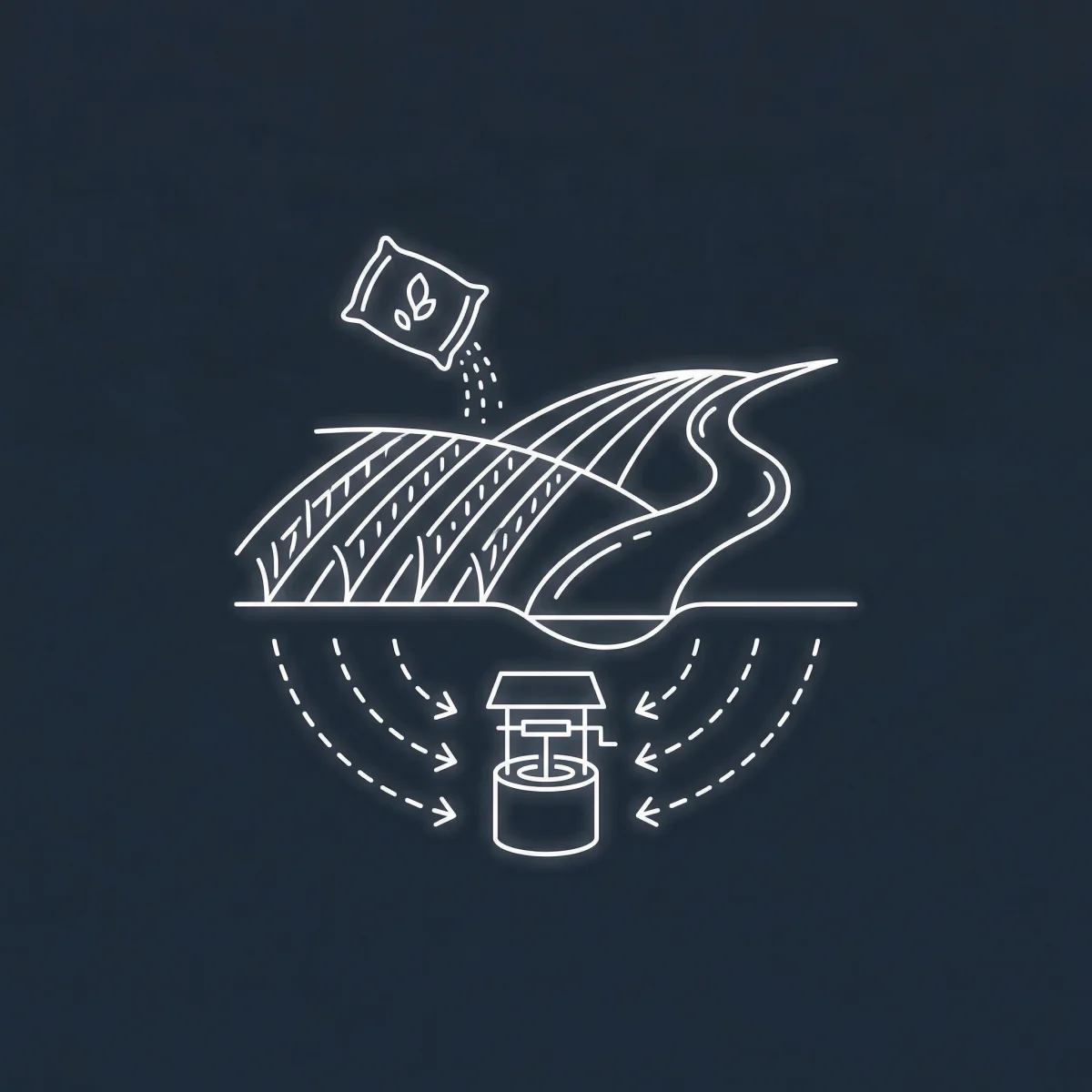
One East Windsor family's nitrates jumped from 5.6 to 20 mg/L, 2x the federal limit, after Ida. Farming runoff and CT's permeable soils are why.
Next-Gen PFAS: Measured, Not Regulated
11Cl-PF3OUdS, 6:2 FTS and 4:2 FTS are counted in EPA's UCMR 5 monitoring, yet none has a federal health-based limit. Here's what that gap actually means.
Lead Paint + Lead Water: CT's Double Exposure
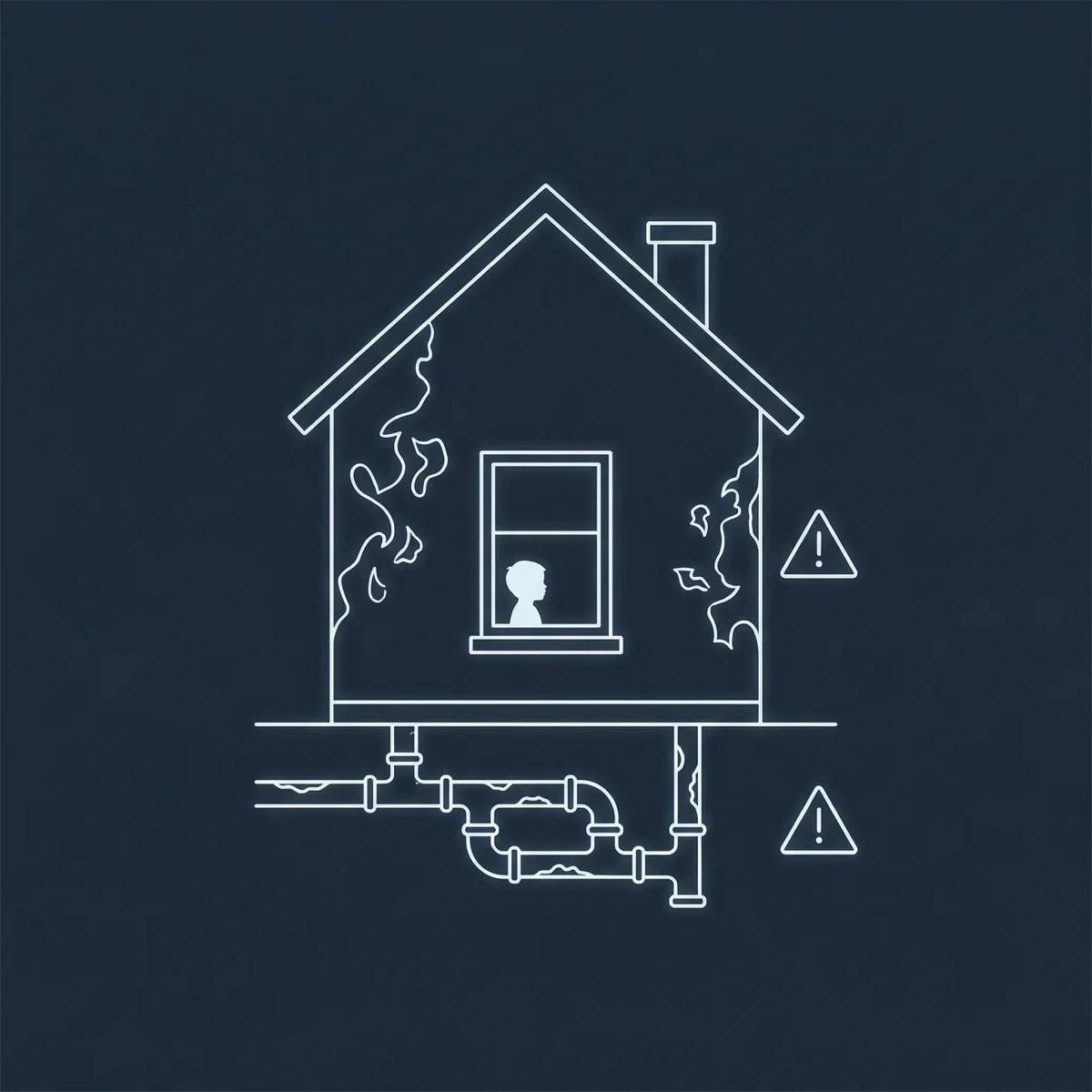
60% of CT homes were built before 1980. Lead paint, lead solder, and lead service lines often coexist in the same house, and the exposures are additive.
Do Brita Filters Remove PFAS? NSF P473 Explained
Most standard Brita pitchers aren't certified to remove PFAS. Only NSF/ANSI 53, 58, or P473 units are proven to, and EPA's 2024 legal limit is 4 ppt.
Navy Base PFAS in Groton and New London, CT
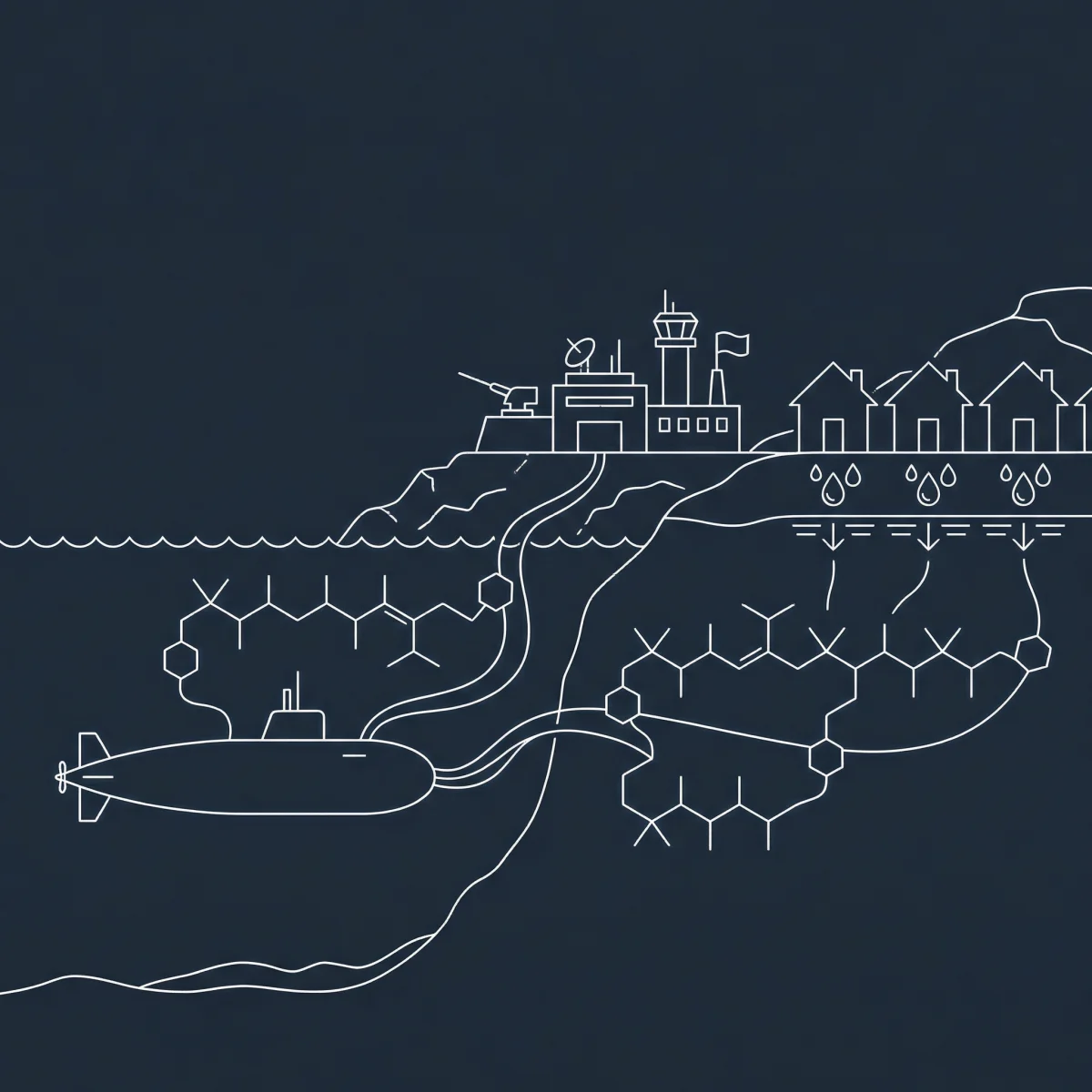
Naval Submarine Base New London is an EPA Superfund site. PFAS from firefighting foam has reached private wells within miles of the Groton base.
Arsenic in CT Wells: What 'Safe' Really Means
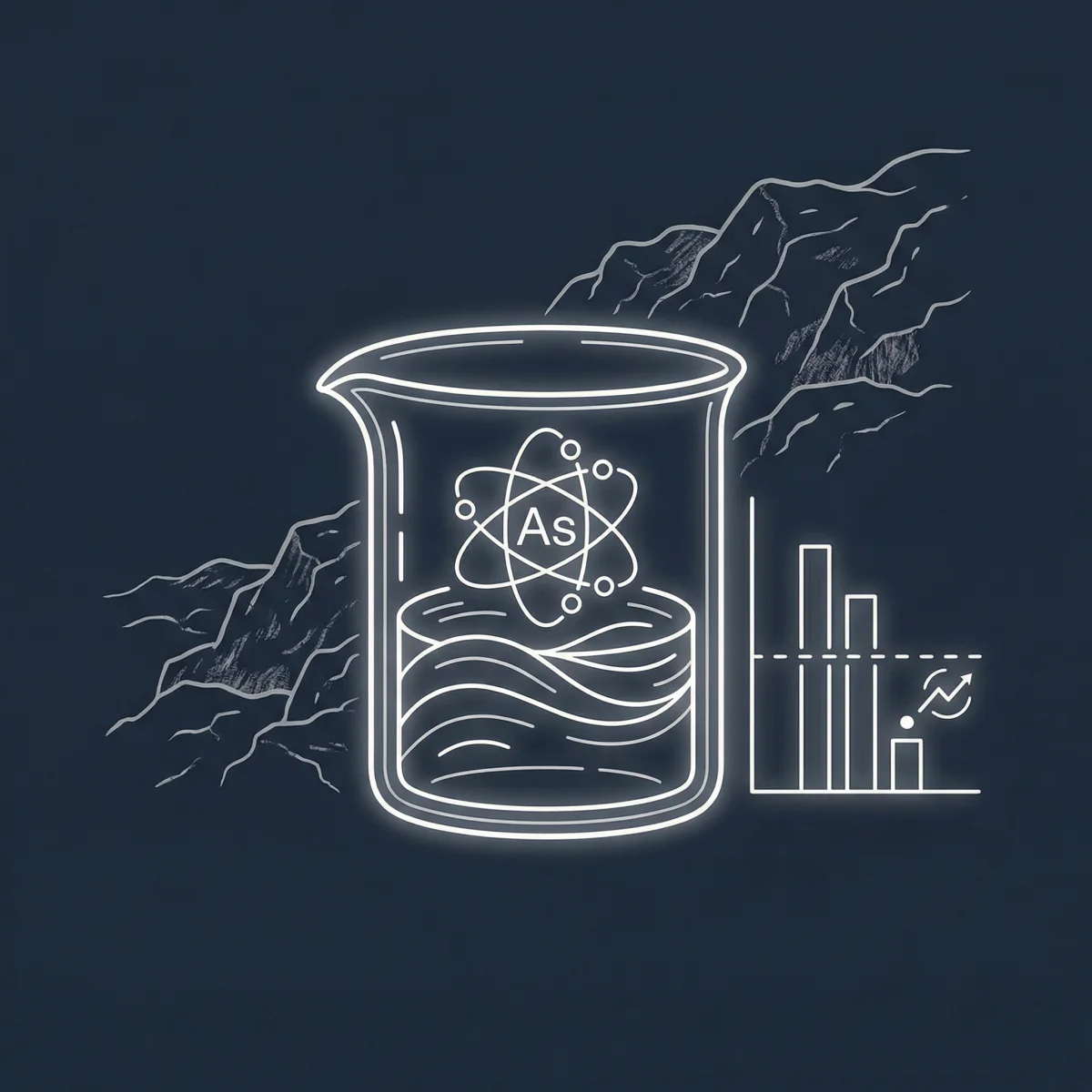
The EPA's 10 ppb arsenic limit carries a 1-in-300 lifetime cancer risk, far above the typical 1-in-10,000 trigger. Here's what CT well owners need to know.
1,4-Dioxane: Likely Carcinogen, No Federal Limit
1,4-Dioxane is a likely human carcinogen with no federal drinking-water limit. EPA data found it reaching ~90 million Americans; the EWG health guideline is 0.35 ppb.
Lead in CT School Water: A Parent's Guide
Children absorb lead at 4-5x the adult rate. Waterbury schools have suspected lead lines and $53M in federal funds won't replace them for a decade.
How to Read Your Water Quality Report (CCR)
Lead's legal limit is 15 ppb but the health goal is zero. Learn what MCL vs. MCLG means, why 'ND' doesn't mean safe, and what your CCR won't tell you.
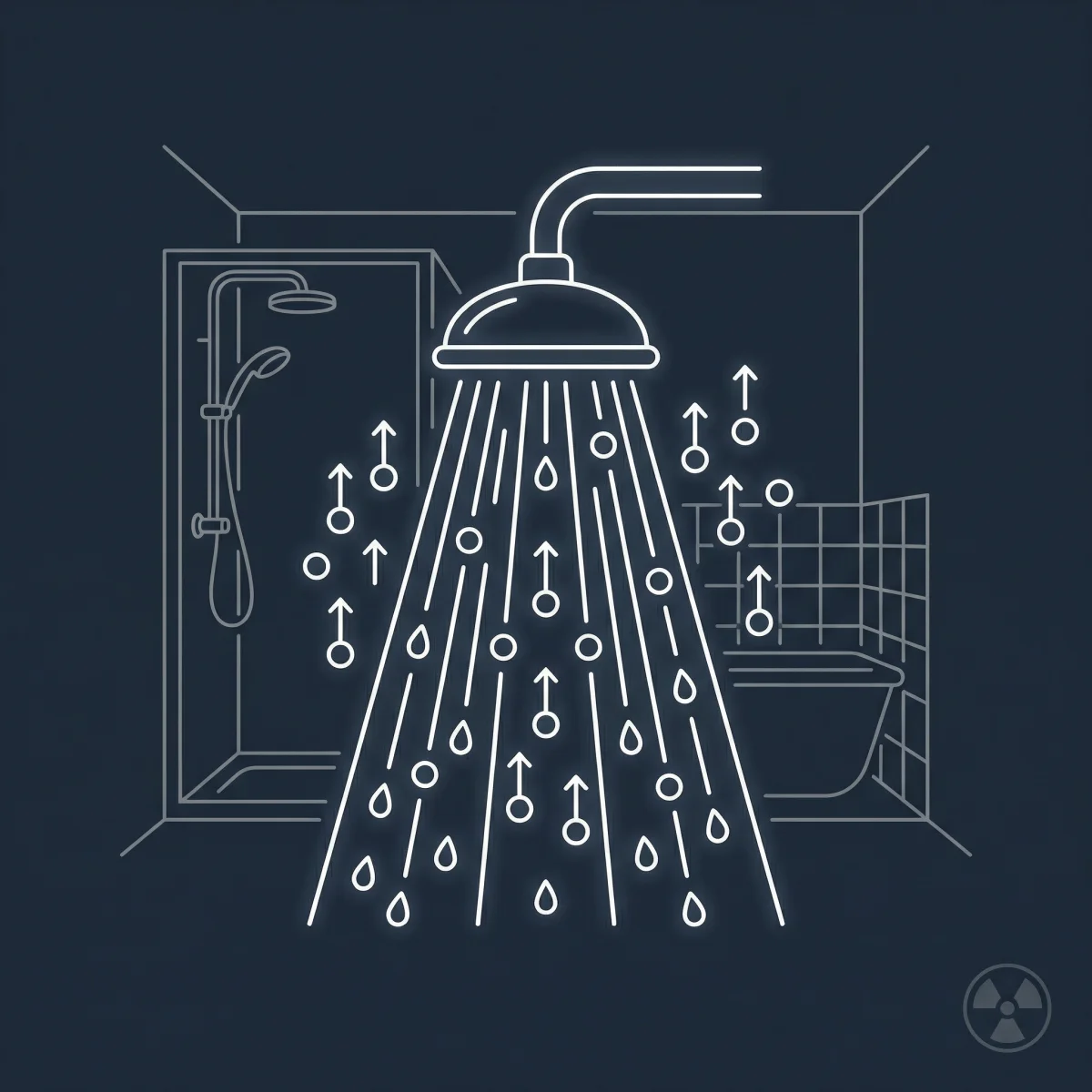
Radon in Shower Water: Litchfield County Risk
Litchfield County averages 5.0 pCi/L radon, above the EPA's 4.0 action level. A hot shower raises bathroom radon 10-20x. What well owners must know.
Bridgeport's Lead Pipe Crisis and Income Gap
Bridgeport has CT's highest concentration of suspected lead pipes, clustered in its poorest neighborhoods. $53M in federal funds covers only half the problem.
Fairfield County PFAS: The Gap Between Legal and Safe
Utilities have until 2029 to meet the EPA's PFAS limits, and 35 Connecticut systems have already tested above them. Legal is not the same as safe. What Fairfield County residents can do now.

CT Well Water Crisis Mirrors Pyrrhotite
No mandatory testing, no insurance, no clear agency in charge. CT's well water crisis mirrors pyrrhotite, but a $200-$500 test can protect you.
Waterbury's Soft Water Makes Lead Pipes Worse
Waterbury's water sits at just 53 ppm, soft enough to corrode lead pipes faster. Up to 8,000 lead service lines remain active across CT. Here's the risk.
Hard Water and Hair Loss: The Real Science
Fairfield County water hardness tops 170 ppm. A 3-month study found hard water cut hair tensile strength ~8%. Here's the real science on breakage vs. hair loss.

CT Water Quality and Pregnancy: What to Know
PFAS, lead, and nitrates all cross the placenta. A 2020 study linked prenatal PFAS to reduced birth weight. What CT expecting mothers should know.

Your CT Well Water Test Is Probably Outdated
CT requires just one well test, ever. One East Windsor family saw nitrates jump 400% in 5 years after Hurricane Ida. Here's why your old test means nothing.
What's in your tap water?
Enter your ZIP code for a free water quality report built from source-attributed public records and health-protective references.
Check My Water