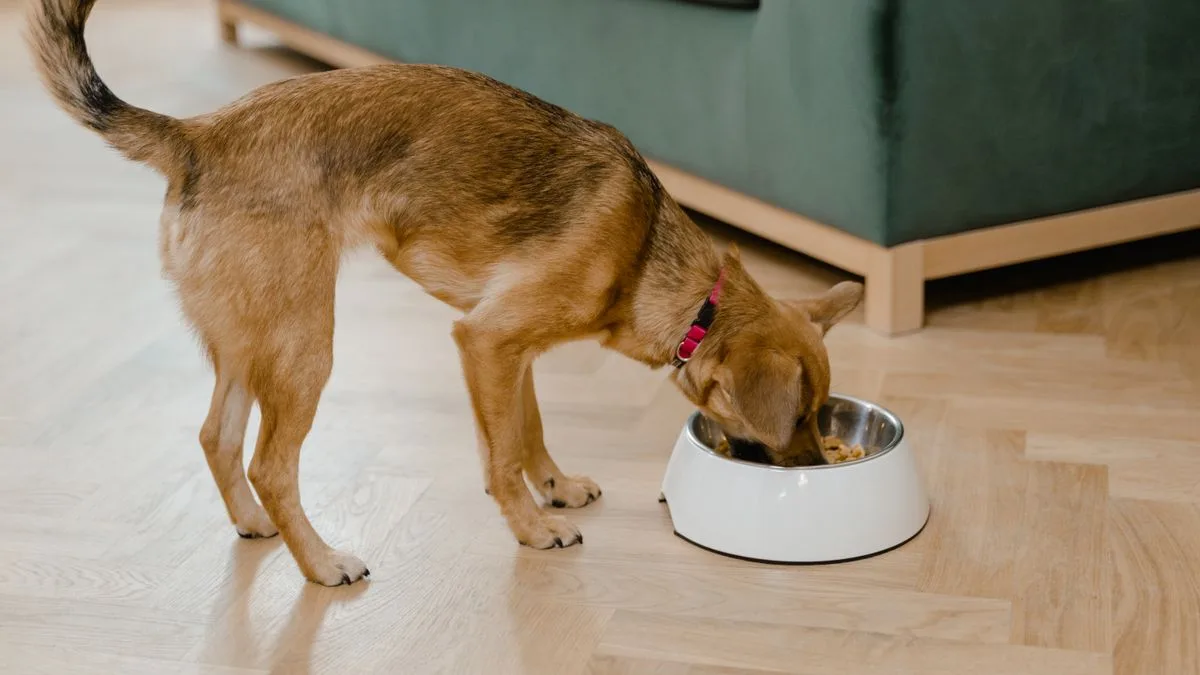
“Is tap water safe for my dog?” sounds like a yes-or-no question. The evidence arrives in layers: the utility, the distribution system, the building's plumbing, the tap, and finally the individual animal.
● Key Takeaways
CheckYourTap does not treat EPA compliance as the definition of healthy, and it does not turn a human number into a dog threshold. It leads with source-backed EWG/OEHHA human household guidance, preserves vulnerable-population and veterinary applicability, and requires a relevant property sample before making a tap-level decision.
What a Public-Water Record Establishes
A utility record can show what was reported for a regulated system, when it was sampled, and how it compared with legal requirements. It cannot prove that a ZIP belongs to one specific utility, that every building receives identical water, or that plumbing did not add lead, copper, or another contaminant after treatment.
That is why a CheckYourTap ZIP report is background information rather than a property safety certificate. If the report identifies a meaningful concern, confirm the serving utility and sample the relevant tap.
Why Dogs Are Not Small Adult Humans
Dogs vary widely. A puppy eating dry food in hot weather, a senior dog with kidney disease, and a healthy adult eating wet food do not consume water in the same way. Body size, activity, temperature, diet moisture, medication, pregnancy, lactation, and disease can all change intake and clearance.
Those facts matter to exposure assessment. They do not supply a universal “dogs need a number three times lower” rule. A concentration-to-dose conversion still needs a validated dose endpoint, relevant chemical form, source allocation, exposure duration, uncertainty method, and species evidence. Without those pieces, the honest output is a qualitative caution—not a decimal that looks authoritative.
How CheckYourTap Separates the Standards
- EWG/OEHHA health guidance: the health-protective human household comparator, used first when its analyte, unit, endpoint, and source are verified.
- Life-stage and vulnerable-population evidence: kept explicit for children, pregnancy, newborns, older adults, and other groups rather than hidden inside a generic adult result.
- Veterinary evidence: used to describe known hazards, susceptibility, exposure routes, breed or disease considerations, and reasons to involve a veterinarian.
- EPA limits and action values: shown separately as legal or regulatory context.
No layer is allowed to impersonate another.
Private Wells Need Direct Testing
Private wells are not routinely regulated like public systems, and nearby wells can differ. In a 2025 Dog Aging Project pilot, 114 of 178 returned private-well samples had at least one analyte above an EPA MCL or guidance comparator (Sexton et al., 2025). Those were human comparators. The study did not prove disease in dogs or establish a pet-safe water threshold.
For a well, sample the tap that supplies the bowl. Include contaminants relevant to local geology, land use, plumbing, and prior results. Confirm units and chemical basis—especially distinctions such as nitrate as nitrogen versus nitrate as nitrate.
A Practical Decision Sequence
- Identify the water source and serving utility, if applicable.
- Review the latest source-bound records and the health-protective human household guidance.
- Confirm the property with a certified sample from the relevant tap or well.
- Ask a veterinarian to interpret the dog's age, disease, diet, medication, and total exposure.
- Match treatment to the confirmed contaminant and verify performance with a post-treatment test.
Do not buy a generic “pet water” filter based on a ZIP alone. Carbon, catalytic carbon, reverse osmosis, ion exchange, disinfection, and adsorptive media solve different problems.
Keep Reading
- CheckYourTap for Pets
- No agency sets pet drinking-water limits: how we handle the evidence
- Well water and dogs: what the Dog Aging Project found
Sources: ATSDR, About Minimal Risk Levels; Davies et al., total water intake in healthy dogs, BMC Veterinary Research, 2018; Sexton CL et al., PLOS Water, 2025; Environmental Working Group; California OEHHA; U.S. EPA drinking-water regulations. This article is educational and is not veterinary advice.
