Water Quality Blog
Investigations, guides, and analysis about drinking water in Connecticut. Backed by EPA, USGS & EWG data.

Connecticut Lead Service Lines: Is Your Home Affected?
Up to 8,000 lead service lines remain in CT, but federal funding covers only 54% of replacements. Here's how to check your home and protect your family now.
32 articles
Microplastics in CT Drinking Water: Risks, Testing & Filters
Microplastics contaminate every CT water source tested. A 2024 NEJM study linked them to 4.5x cardiovascular risk. Here's what CT residents should do.
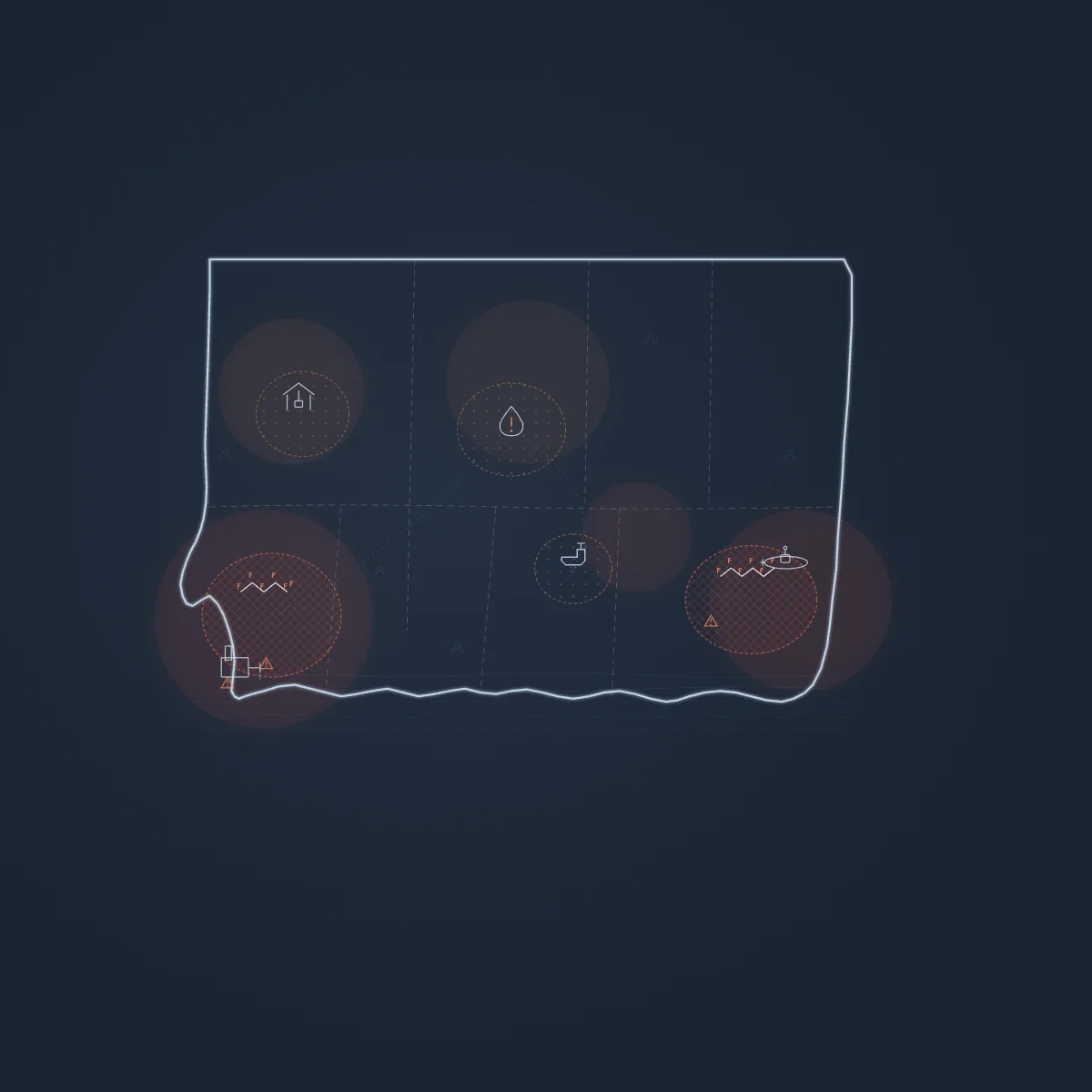
PFAS in Connecticut Drinking Water: 2026 Guide
39 CT water systems tested positive for PFAS. This guide covers health risks, contamination maps, legal limits, filters, and what to do if you're on a private well.
Is Water Softener Salt Bad for Your Health?
At 171 ppm hardness, a CT softener adds 117 mg sodium per liter -- less than a slice of bread. Here's when that matters and when potassium chloride is better.
New Milford PFAS: Kimberly-Clark Paper Mill
April 2024 well tests near Kimberly-Clark's New Milford mill showed PFAS above EPA limits. The facility has operated since the 1890s -- over a century of PFAS.

Uranium in Eastern CT Wells: The Granite Risk
Eastern CT's granite bedrock dissolves uranium into well water above the EPA's 30 mcg/L limit. A $30-$50 add-on test can detect it. Mortgage tests never include it.
Reverse Osmosis: What It Removes in CT Water
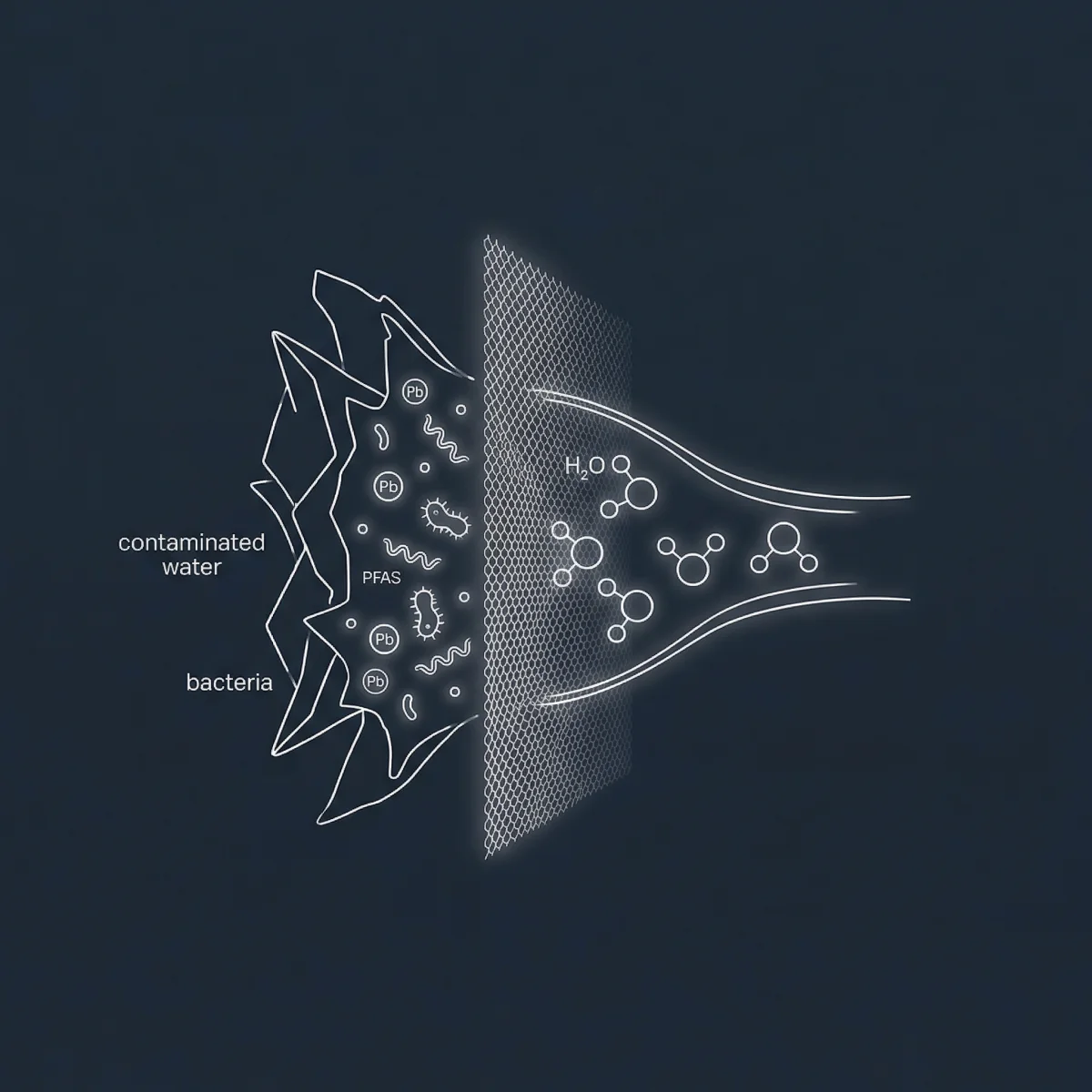
RO removes 95%+ of PFAS, lead, arsenic, nitrates, and uranium. But it wastes 3-4 gallons per gallon produced. Here's who in CT actually needs one ($300-$800).
Hard Water Appliance Damage in Connecticut
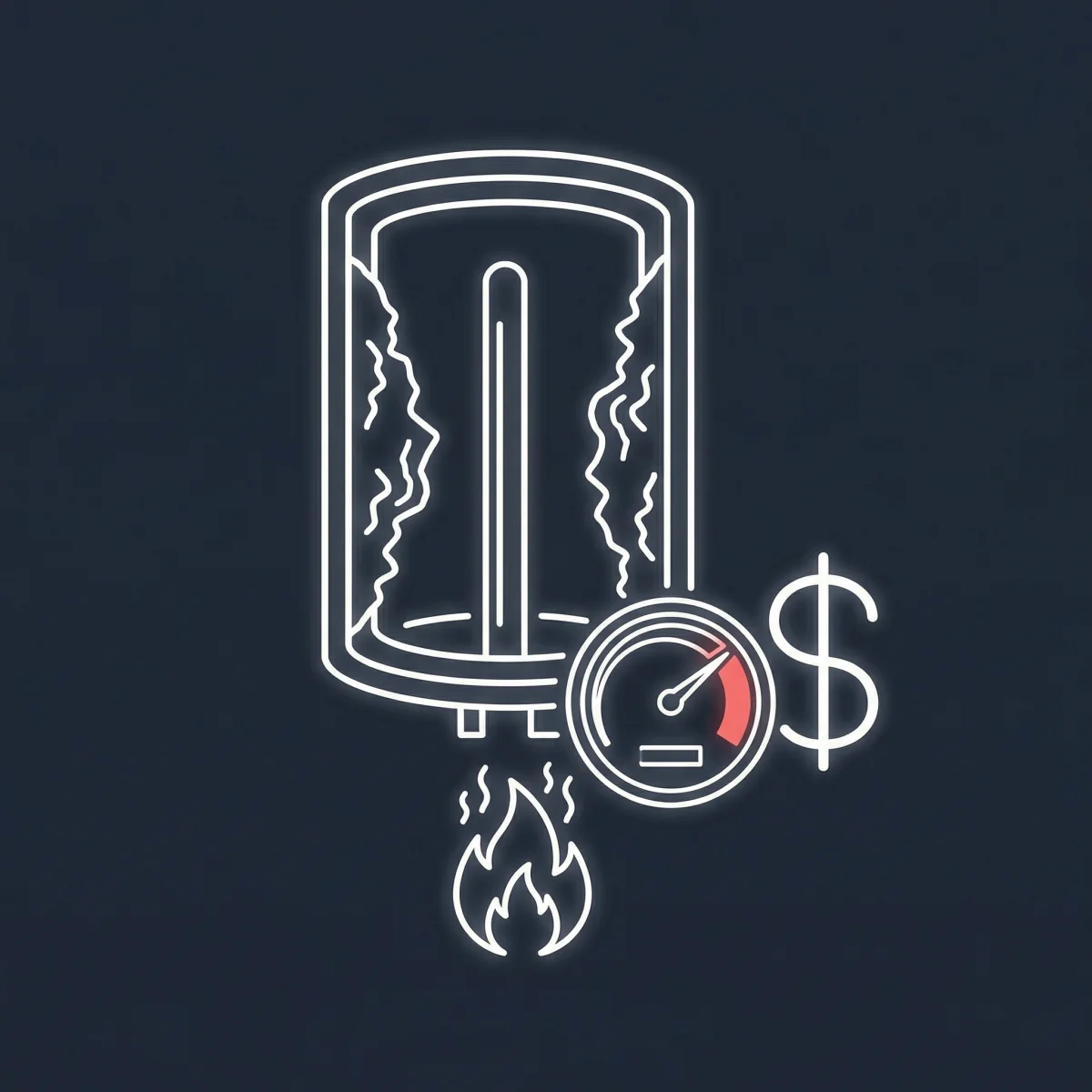
75% of water heaters fail by year 12 from hard water scale. At 171 ppm in Newtown, CT homeowners lose 24% heater efficiency in the first year of operation.

Bacteria in CT Well Water: What It Means
Total coliform, fecal coliform, and E. coli are 3 different results with 3 different risk levels. Here's how CT well owners should respond to each one.
Chlorine Byproducts in CT Municipal Water
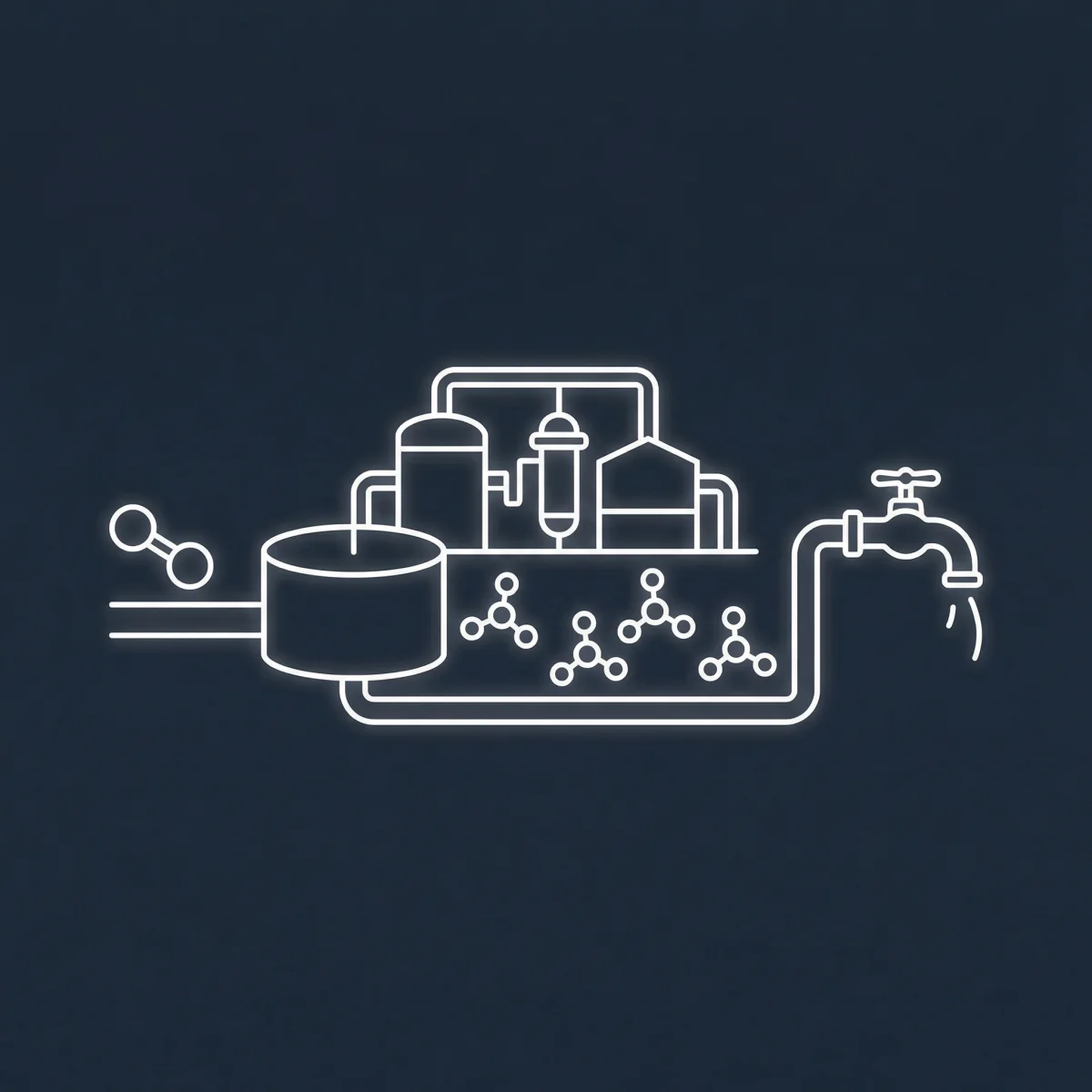
A 2010 meta-analysis linked chlorinated water to a 35% increased bladder cancer risk. CT's surface-water systems produce THMs and HAAs you should filter out.
Killingworth PFAS from Its Own Fire Department
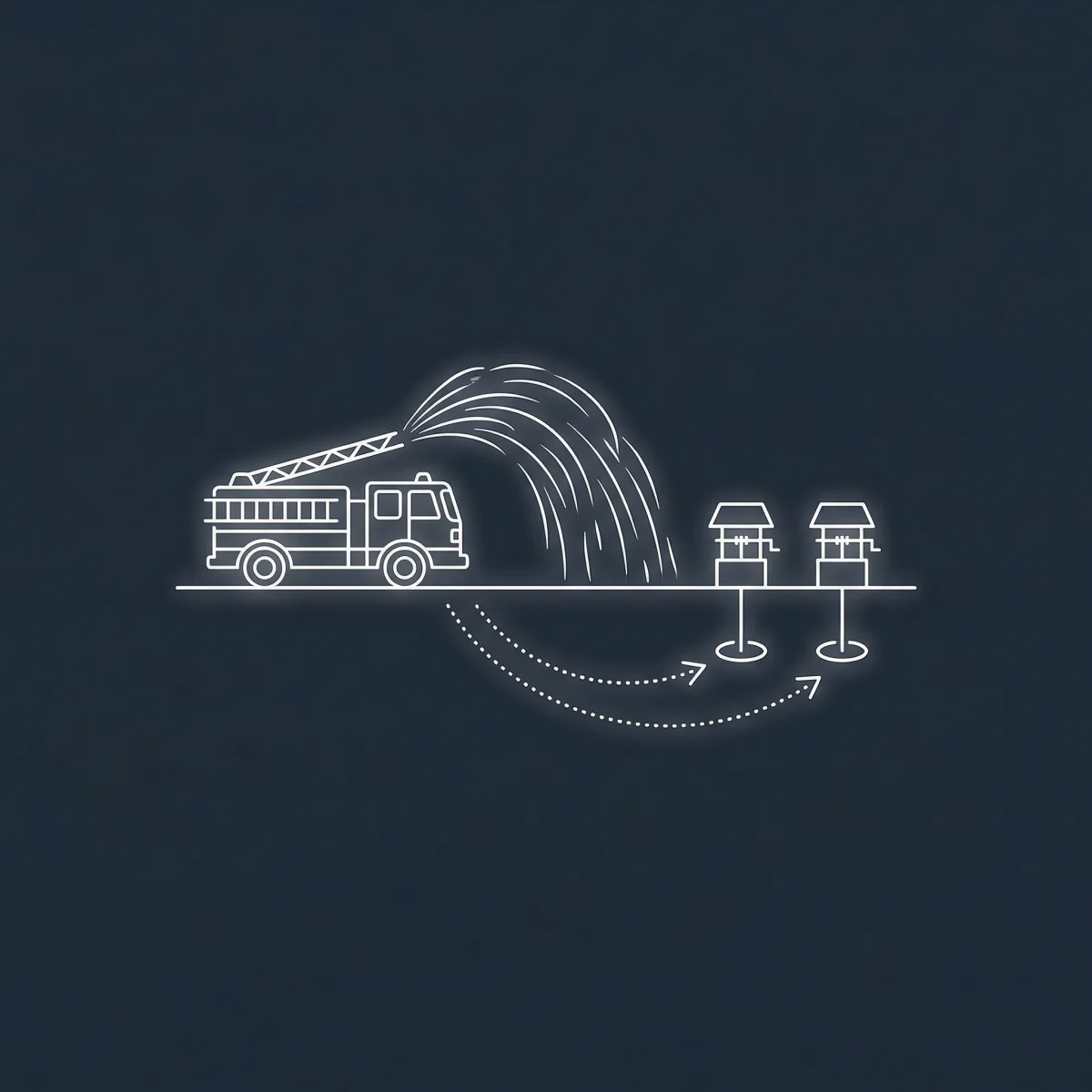
CT DPH has mapped nearly 700 PFAS-contaminated sites statewide. In Killingworth, AFFF foam from the volunteer fire department contaminated the town's own wells.

What Boiling Water Removes (and Doesn't)
Boiling kills bacteria but concentrates lead, PFAS, nitrates, and arsenic. A 2026 Yale study confirmed boiling can increase metal concentrations in your water.

Hard Water Energy Cost: $500/Year in CT
Hard water at 171 ppm costs CT homeowners $960/year in water heater energy alone. A 16% efficiency penalty from scale adds $300-$500/year across appliances.

Greenwich Has 1,500 Suspected Lead Pipes
Greenwich has 1,500+ suspected lead service lines despite $150K median income. Pre-1986 homes across Fairfield County share the same lead pipe infrastructure.

Your Mortgage Water Test Isn't Enough
CT mortgage water tests skip PFAS, radon, uranium, and lead. A comprehensive test costs $400-$700 — less than one mortgage payment — and covers 29 PFAS compounds.
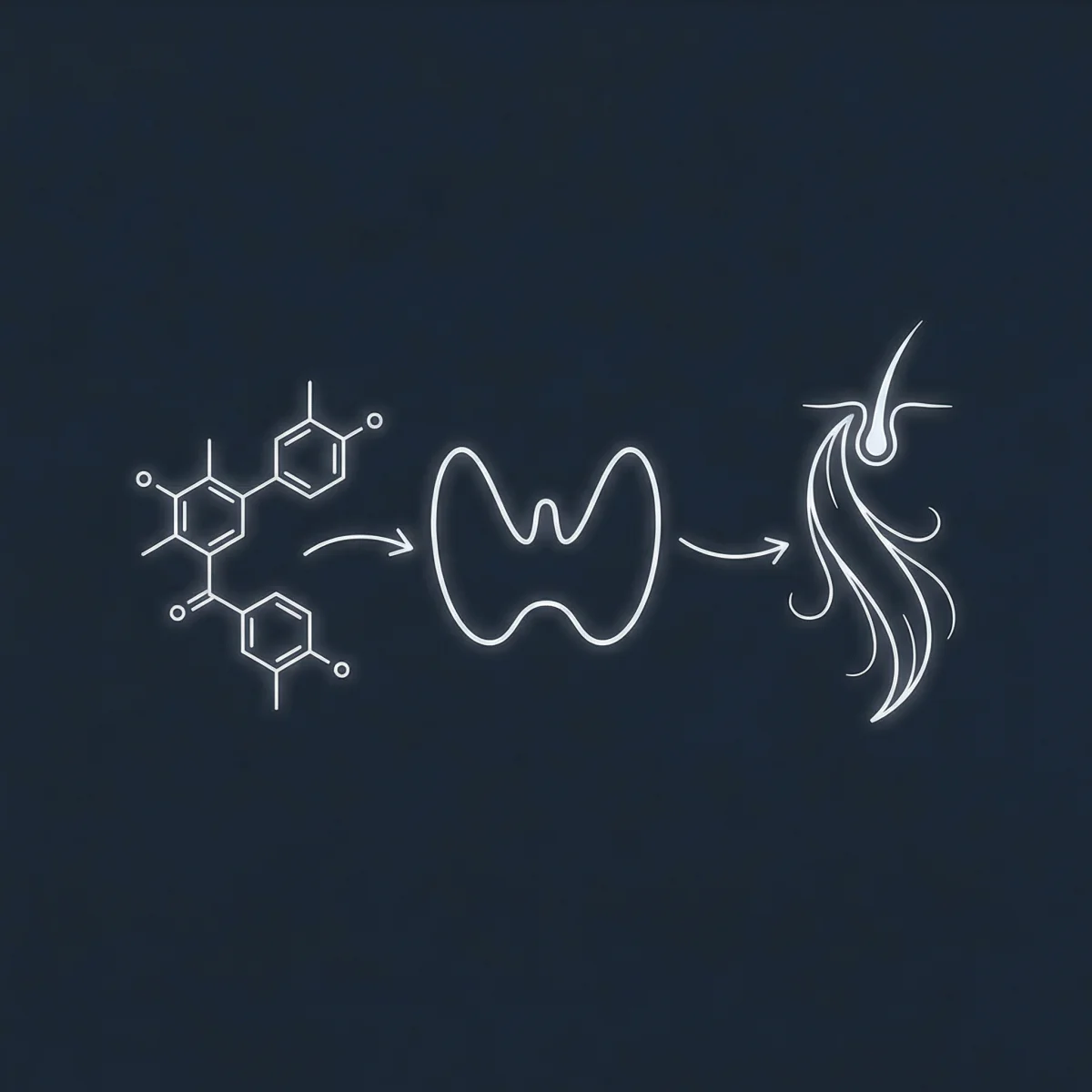
PFAS, Thyroid Problems, and Hair Loss Link
A 2020 meta-analysis of 23 studies found PFAS-thyroid links are 'consistent and robust.' Fairfield County's $150M PFAS problem may be driving thyroid disease.
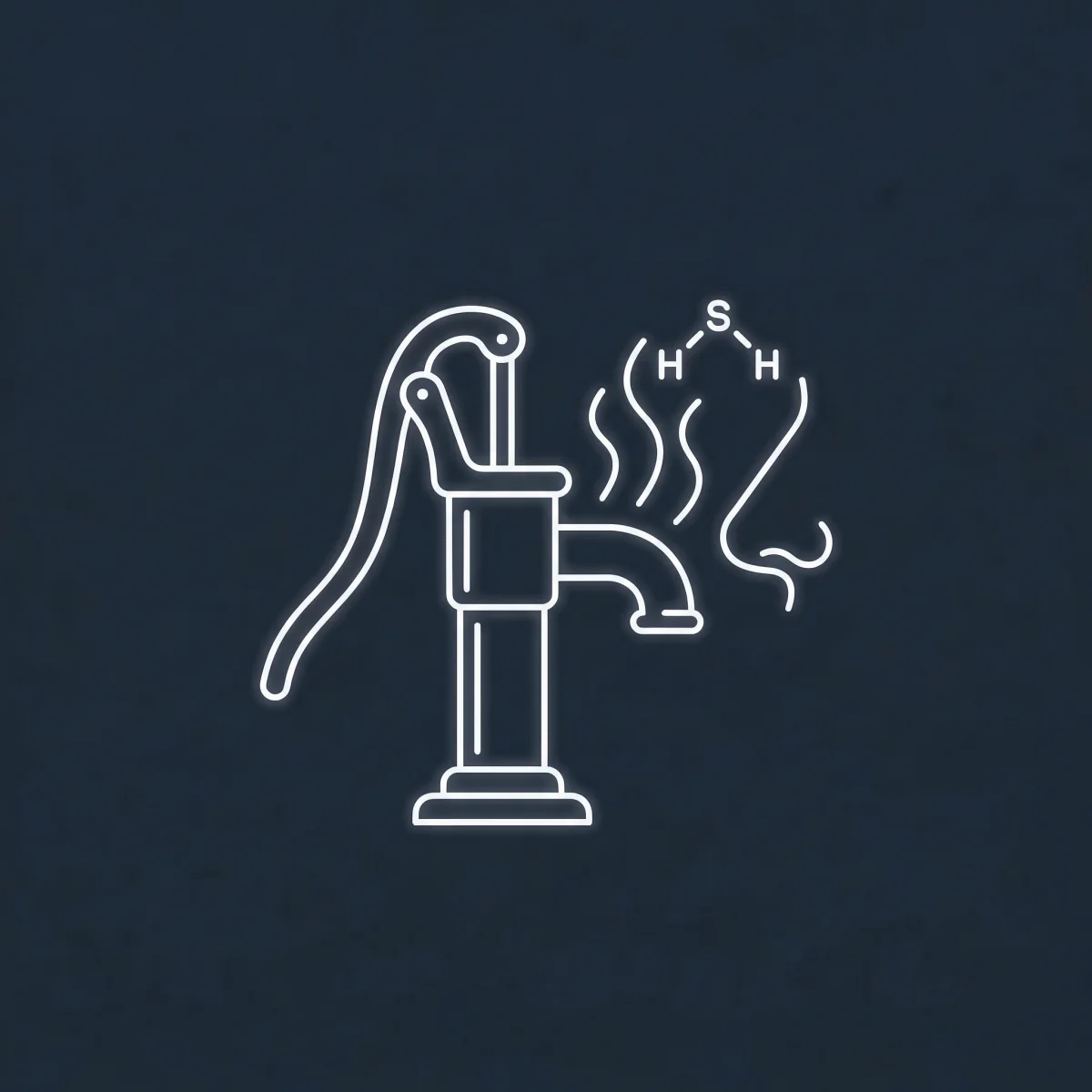
Rotten Egg Smell in CT Well Water: Causes
Hydrogen sulfide (H2S) in CT wells signals bacterial activity that can harbor coliform. Sulfur bacteria thrive in low-oxygen wells across 4 major CT valleys.
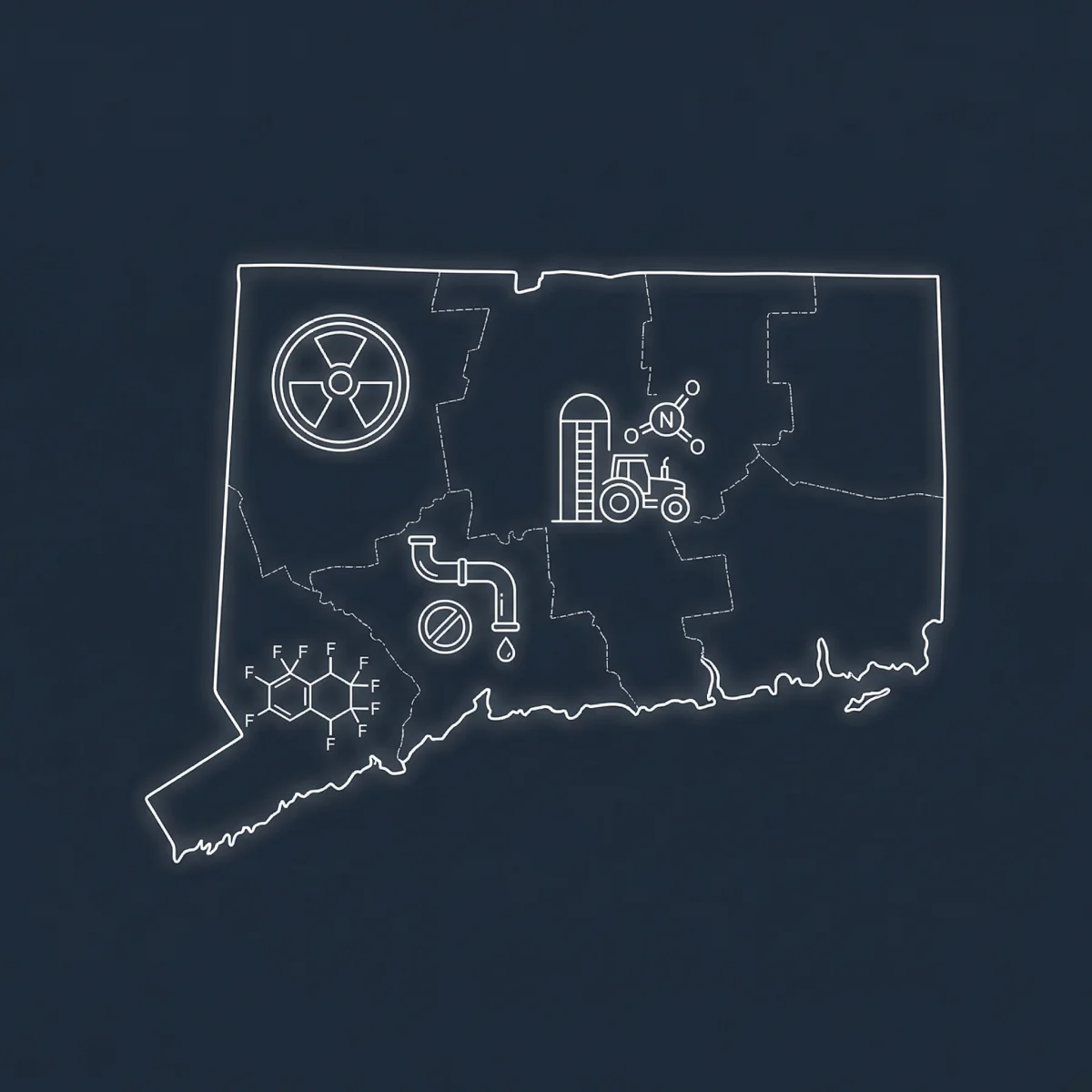
CT Water Quality by Town: A Complete Guide
Connecticut's 169 towns each have different water risks. Newtown hardness hits 171 ppm, Greenwich has 1,500+ lead pipes. See your town's specific concerns.
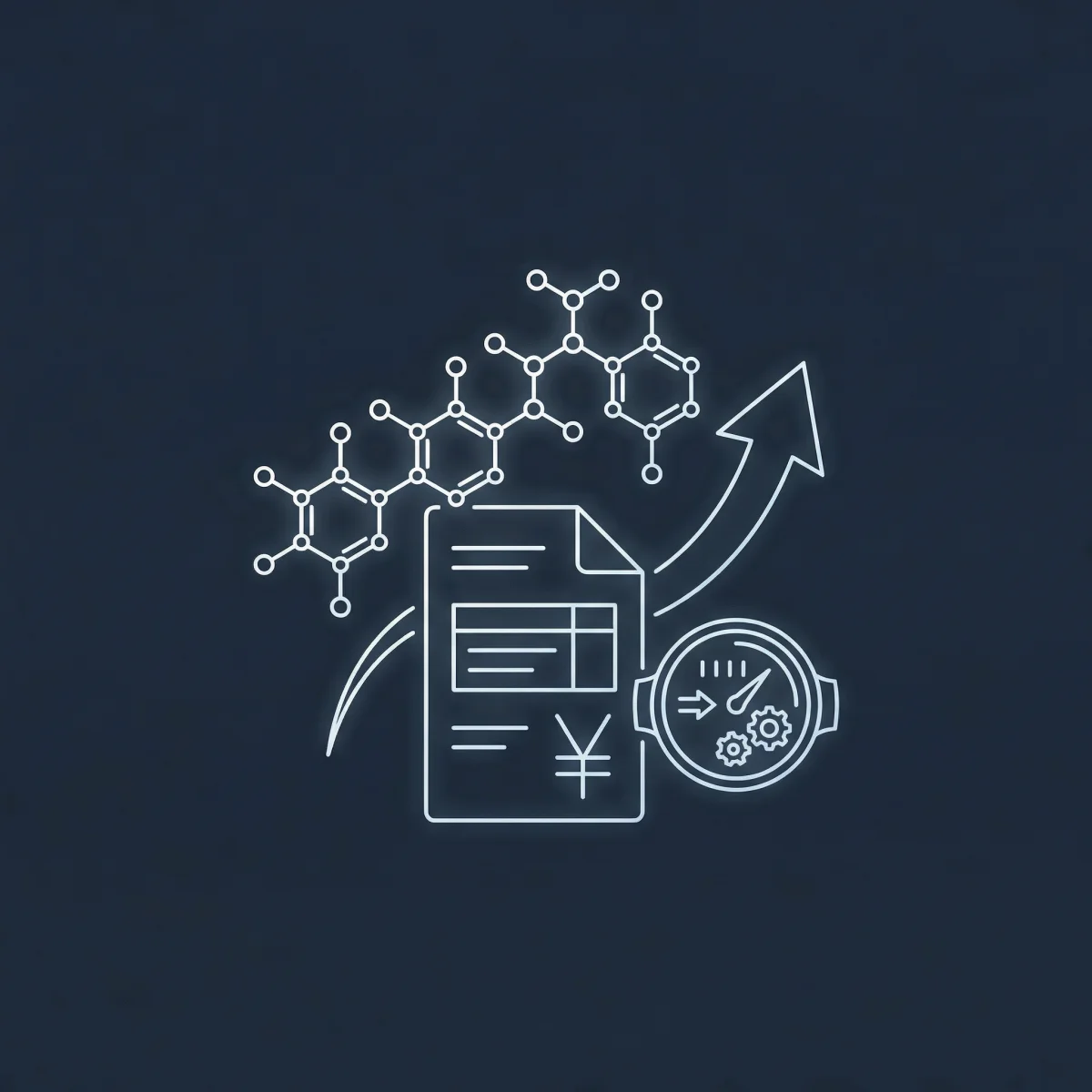
CT Water Bill PFAS Surcharge: What You're Paying
A new PFAS surcharge hit 110,000 CT Water customers in 2026. Aquarion's $150M cleanup is next. Here's what the charge covers and why you're footing the bill.

Nitrates in CT River Valley Wells from Farming
One East Windsor family's nitrates jumped from 5.6 to 20 mg/L — 2x the federal limit — after Hurricane Ida. Farming runoff and CT's permeable soils are why.
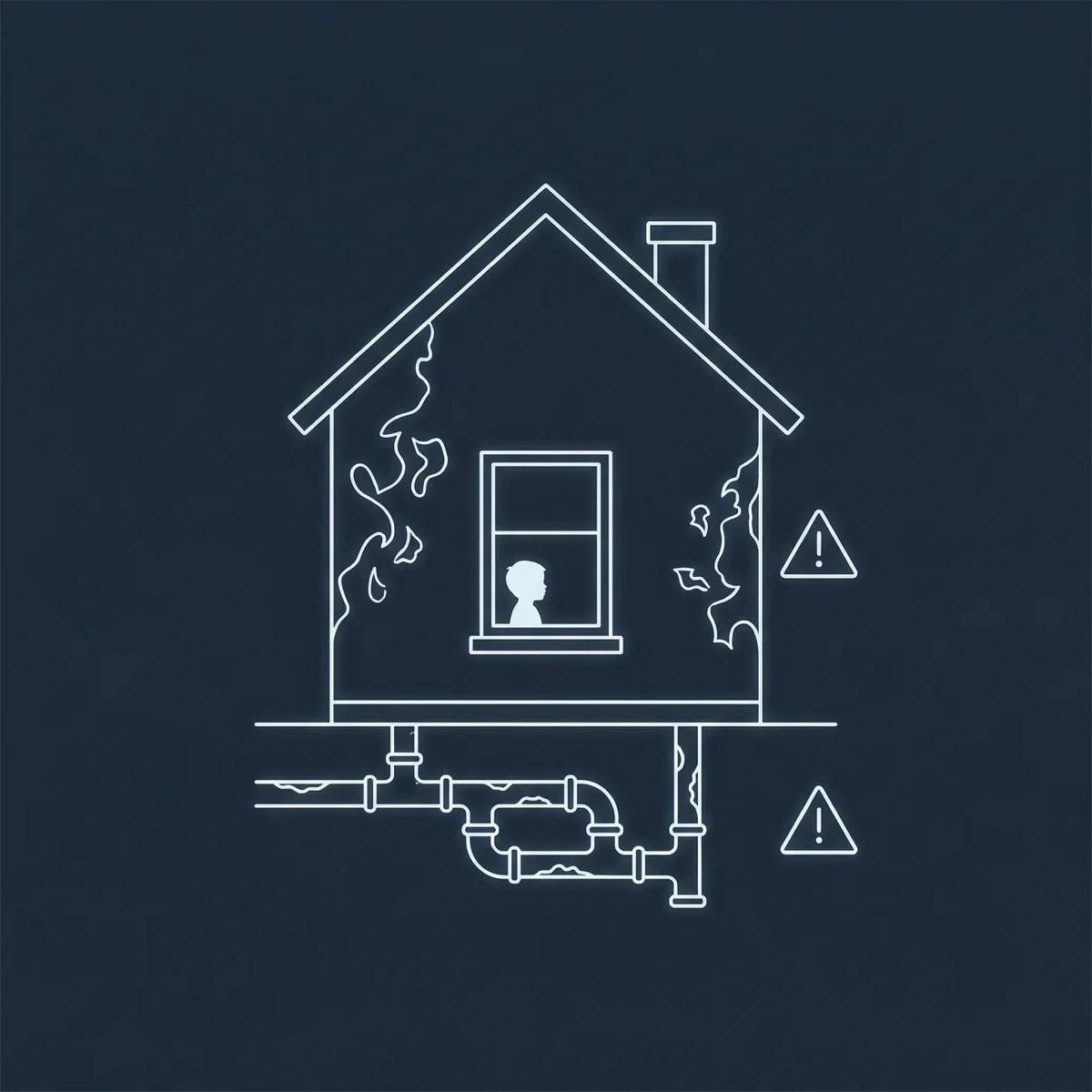
Lead Paint + Lead Water: CT's Double Exposure
60% of CT homes were built before 1980. Lead paint, lead solder, and lead service lines often coexist in the same house — and the exposures are additive.
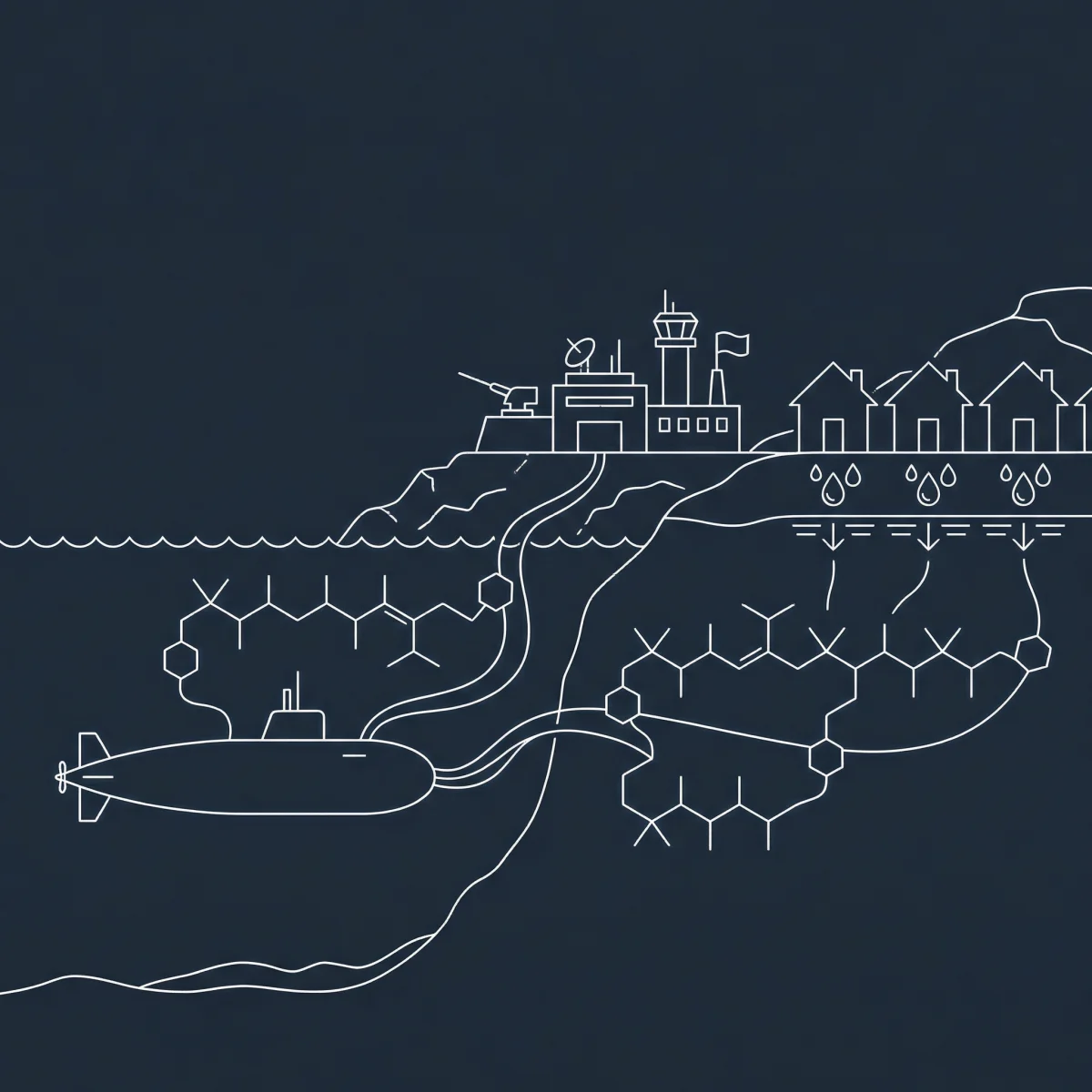
Navy Base PFAS in Groton and New London, CT
The Naval Submarine Base New London is an EPA Superfund site. PFAS from decades of firefighting foam has reached private wells within miles of the Groton base.
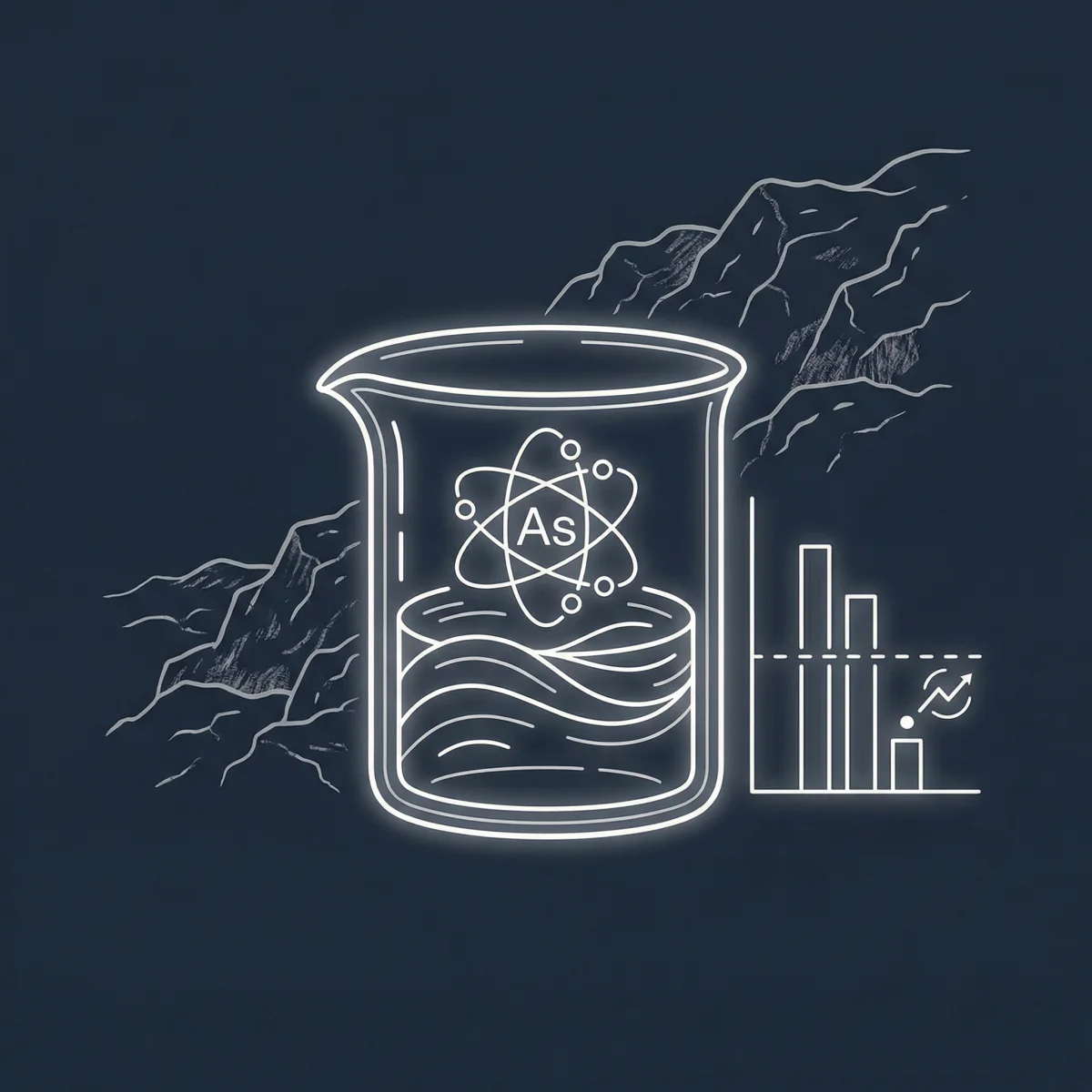
Arsenic in CT Wells: What 'Safe' Really Means
The EPA's 10 ppb arsenic limit carries a 1-in-300 lifetime cancer risk — far above the typical 1-in-10,000 trigger. Here's what CT well owners need to know.
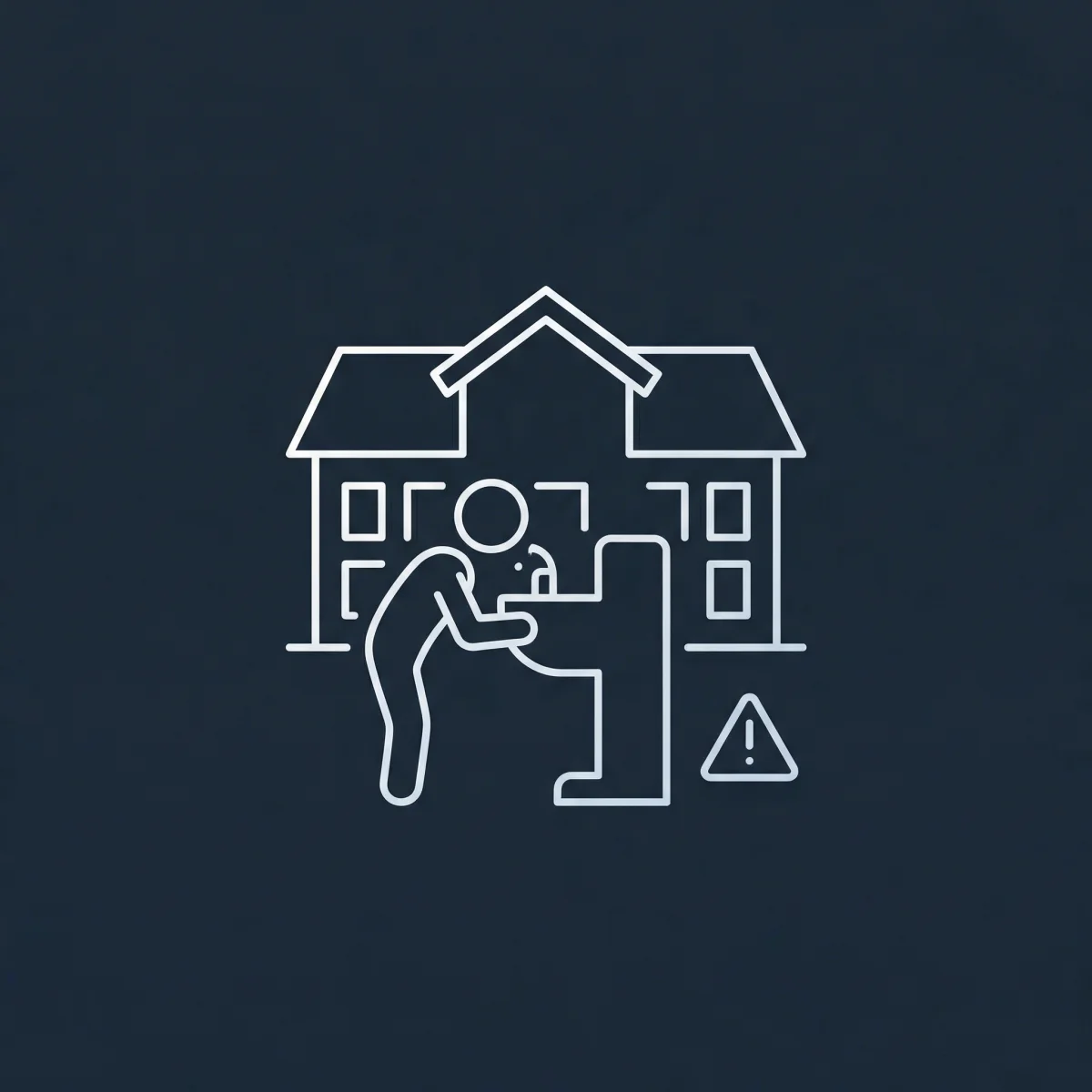
Lead in CT School Water: What Parents Must Know
Children absorb lead at 4-5x the adult rate. Waterbury schools have suspected lead service lines and $53M in federal funds won't replace them all for a decade.

How to Read Your Water Quality Report (CCR)
Lead's legal limit is 15 ppb but the health goal is zero. Learn what MCL vs. MCLG means, why 'ND' doesn't mean safe, and what your CCR won't tell you.
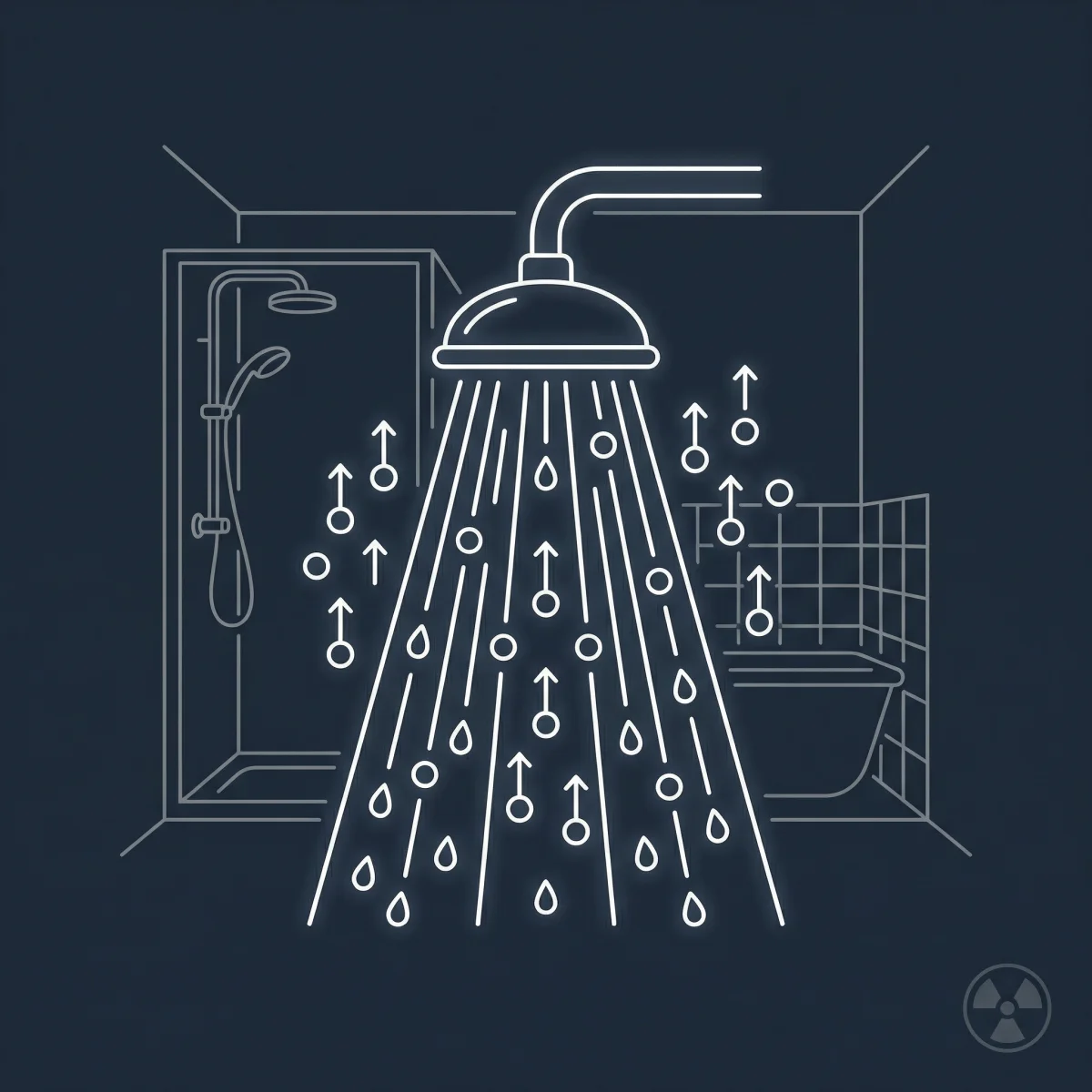
Radon in Shower Water: Litchfield County Risk
Litchfield County averages 5.0 pCi/L radon — above the EPA's 4.0 action level. A hot shower can raise bathroom radon 10-20x. Here's what well owners must know.
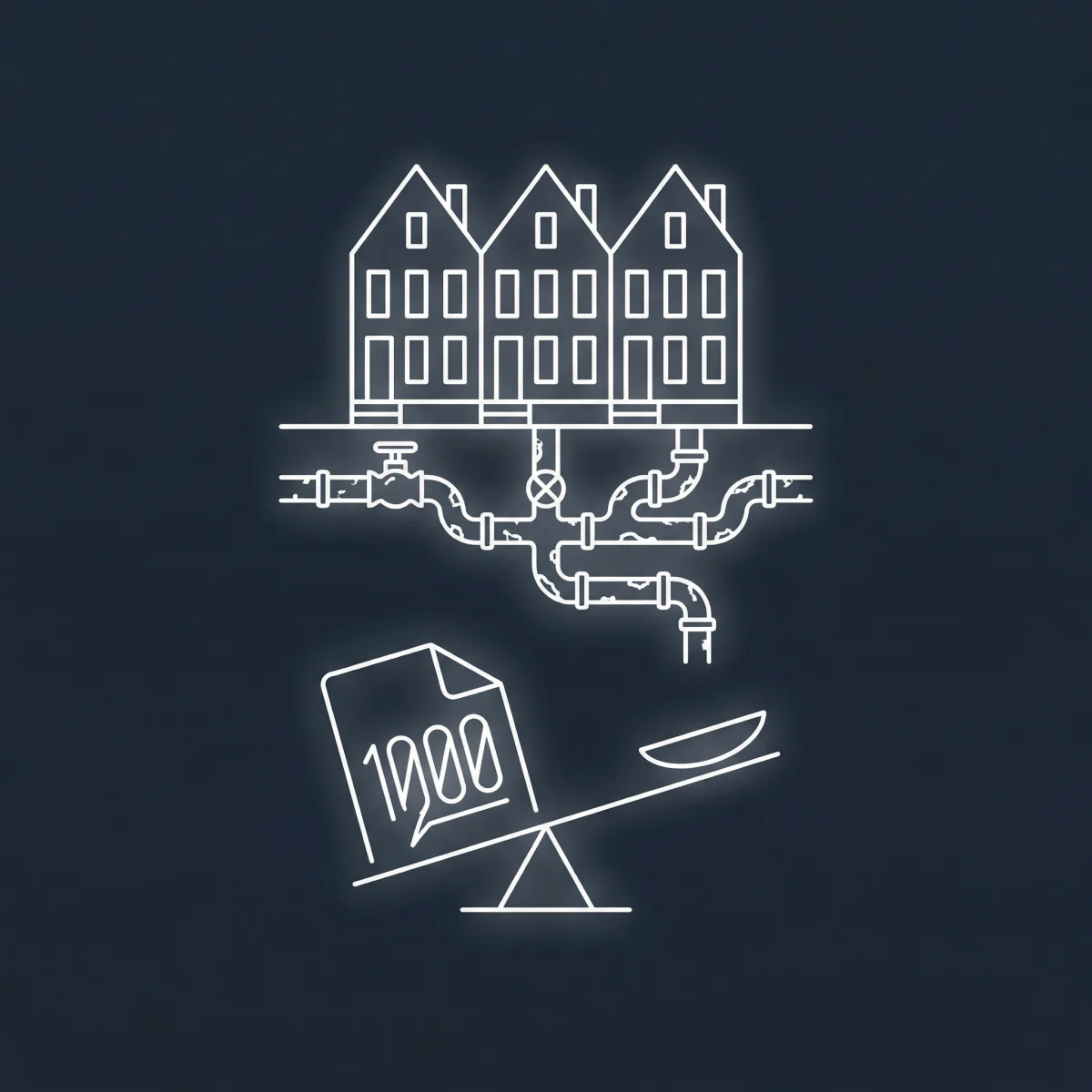
Bridgeport's Lead Pipe Crisis and Income Gap
Bridgeport has CT's highest concentration of suspected lead pipes, clustered in its poorest neighborhoods. $53M in federal funds covers only half the problem.

Fairfield County PFAS: Why 2031 Is Too Late
Aquarion's $150M PFAS cleanup won't finish until 2031. Meanwhile, 19 CT water systems exceed new EPA limits. What Fairfield County residents should do now.

CT's Well Water Crisis Mirrors Its Foundation Crisis
No mandatory testing, no insurance, no clear agency in charge. CT's well water crisis mirrors the pyrrhotite disaster — but a $200-$500 test can protect you now.

Waterbury's Soft Water Makes Lead Pipes Worse
Waterbury's water sits at just 53 ppm — soft enough to corrode lead pipes faster. Up to 8,000 lead service lines remain active across CT. Here's the risk.

Hard Water and Hair Loss: The Real Science
Fairfield County water hardness tops 170 ppm. A 2016 study proved hard water reduces hair tensile strength. Here's the real science on breakage vs. hair loss.

CT Water Quality and Pregnancy: What to Know
PFAS, lead, and nitrates all cross the placenta. A 2020 study linked prenatal PFAS to reduced birth weight. What CT pregnant women need to know about tap water.
Your CT Well Water Test Is Probably Outdated
CT requires just one well test — ever. One East Windsor family saw nitrates jump 400% in 5 years after Hurricane Ida. Here's why your old test means nothing.
What's in your tap water?
Enter your ZIP code for a free, personalized water quality report based on EPA, USGS & EWG data.
Check My Water