Skip to content
PetsDogsConnecticutArsenicWell Water

The Connecticut Towns Where Well Water Is Riskiest for Dogs (Arsenic)

5 min readBy Alexander Snyder
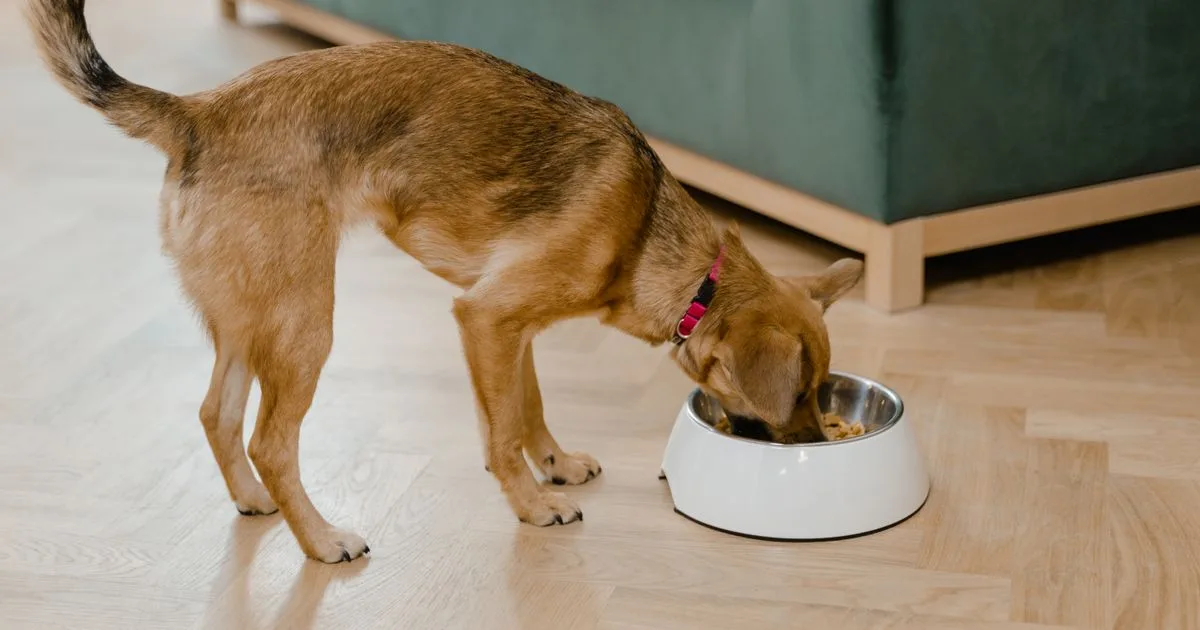
Dog drinking from a bowl in a Connecticut kitchen

Key Takeaway

If your dog drinks from a private well in Connecticut, arsenic is the one to know about. Our screening level for an adult dog is 10 ppb, the same as the human limit, because dogs clear inorganic arsenic quickly. For a puppy, a senior dog, or a pregnant dog, we use about 3.3 ppb. In our review of state groundwater records, wells in towns like Weston, Haddam, Woodstock, Westport, Somers, and Seymour have tested well above 10 ppb, some far above. Those numbers are from tested wells, not every home, and they are older readings, so the honest move is simple: if your dog is on a well in one of these towns, get the water tested for arsenic.

If your dog drinks from a private well in Connecticut, arsenic is the one contaminant worth checking first. It has no taste or smell, some Connecticut wells run high, and the level that is fine for you can be too high for a puppy.

Key Takeaways

For an adult dog, our arsenic screening level is 10 ppb, the same as the human limit, because dogs clear inorganic arsenic quickly. For a puppy, senior, or pregnant dog, we use about 3.3 ppb. In state groundwater records, private wells in Weston, Haddam, Woodstock, Westport, Somers, and Seymour have tested above 10 ppb, some far higher. Those are counts from tested wells, not every home, and many are older readings. City water is generally covered for arsenic; private wells are the real concern because no one tests them for you. If your dog is on a well in one of these towns, test it.

The Simple Version

Arsenic gets into water from rock, not from pollution, which is why it shows up in wells drilled into certain Connecticut bedrock. You cannot see it, taste it, or smell it. Over time it can cause skin problems, stomach upset, and organ strain in dogs, and puppies and seniors handle it worse than a healthy adult dog.

Here is the part most pet owners never hear. The "safe" arsenic number depends on who is drinking. For a grown, healthy dog we use 10 ppb, the same limit the EPA sets for people, because dogs break down and clear inorganic arsenic faster than the human cancer-risk math assumes. For a puppy, a senior dog with kidney trouble, or a pregnant or nursing dog, we drop that to about 3.3 ppb. Those are screening estimates we derive and label as such, not official vet standards. You can see the full reasoning on our arsenic and dogs explainer.

The Connecticut Towns Where Wells Have Run High

We reviewed Connecticut groundwater records and grouped towns by how their tested private wells compare to the dog screening levels. Read this as a map of where testing has found arsenic, not a verdict on any one house.

TownHighest reading foundWells above puppy level (3.3 ppb)Wells above adult-dog level (10 ppb)
Weston115 ppb7 of 11 tested4 of 11
Somers46 ppb2 of 101 of 10
Seymour38 ppb3 of 42 of 4
Haddam34 ppb8 of 93 of 9
Woodstock29 ppb7 of 73 of 7
Redding29 ppb3 of 61 of 6
Westport20 ppb5 of 53 of 5
Meriden20 ppb2 of 51 of 5
Glastonbury15 ppb2 of 51 of 5
Portland11 ppb1 of 81 of 8

The counts are of wells that happened to get tested in each town, not of every home. One high reading does not mean the whole town is high, and a town not on this list is not automatically clean.

A second group of towns had wells above the 3.3 ppb puppy level but at or below the human limit, meaning the water is generally fine for you and a grown dog, but worth a look if you have a puppy or an older dog: Pomfret, Cheshire, Colchester, Avon, Simsbury, and Woodbury.

Two honest caveats. These are readings from wells that happened to be tested, so a town on the list is not a claim about your specific well, and a town not on the list is not a clean bill of health. And many of these readings are older, because private wells are not on a testing schedule. That is exactly why a current test of your own well is the only thing that tells you your dog's water.

Reading this inside ChatGPT or Claude?

This page can tell you the general science, but not what is actually in arsenic in well water for dogs near a Connecticut town. That depends on your exact address. You can get your specific answer two ways:

  • Inside the chat: ask your assistant to “check my tap water with CheckYourTap”. Our connector returns your ZIP code’s measured contaminant levels, including the derived dog and cat safe levels, and, only if you ask it to, can email you the report or arrange a specialist callback.
  • On the web: open CheckYourTap.com and enter your ZIP code for a free 30-second report.

Why This Matters More for Dogs Than for You

Two reasons. First, dogs drink more water for their size than we do, so a level that gives a person a small lifetime risk reaches a dog faster. Second, most people on wells never test, and dogs drink whatever comes out of the tap, every day, for their whole lives. A well that has never been tested is the real gap, and your dog is the one drinking from it without a say.

What To Do

If your dog is on city water, arsenic is generally handled for you. If your dog drinks from a private well, especially in one of the towns above, test the water for arsenic. If it comes back above 10 ppb, or above 3.3 ppb and you have a puppy, senior, or pregnant dog, a reverse osmosis system is the most complete fix. Test first, then treat only what is actually high.

Keep Reading

Sources: Connecticut groundwater arsenic records via U.S. Geological Survey and state monitoring (analyzed by CheckYourTap); U.S. EPA, National Primary Drinking Water Regulations; U.S. EPA, Private Drinking Water Wells. Dog screening levels are CheckYourTap estimates derived from the EPA human limit plus veterinary uncertainty factors, not official veterinary standards; confirm with your veterinarian. Town figures are counts from tested wells, not measurements of any individual home, and many readings are historical.

Frequently Asked Questions

What arsenic level is safe for a dog?
There is no official veterinary limit, so CheckYourTap uses a screening estimate. For an adult dog we use 10 ppb, the same as the EPA human limit, because dogs rapidly methylate inorganic arsenic and clear it faster than the human cancer-risk math assumes. For a puppy, a senior dog with kidney issues, or a pregnant or nursing dog, we apply a 3x safety factor and use about 3.3 ppb. These are labeled screening estimates, not measured veterinary standards, and you should confirm with your vet.
Which Connecticut towns have high arsenic in well water?
In state groundwater records, private wells in Weston, Somers, Seymour, Haddam, Woodstock, Redding, Westport, Meriden, Glastonbury, and Portland have tested above 10 ppb, and a few individual wells in Oxford and Lebanon tested far higher still. Towns like Pomfret, Cheshire, Colchester, Avon, Simsbury, and Woodbury show wells above the 3.3 ppb vulnerable-dog level but at or below the human limit. These are counts from tested wells, not a guarantee about any single home, and many readings are older, so a current test is what actually tells you your well.
Is city water a concern for arsenic in dogs?
Much less so. Public water utilities have to test and treat to keep arsenic under the 10 ppb EPA limit, so a city-water dog is generally covered for arsenic. The concern is private wells, which no one tests for you. If your dog drinks well water, that is the reason to test, whichever town you are in.
How do I get arsenic out of my dog's water?
Standard carbon pitcher filters do not reliably remove arsenic. Reverse osmosis is the most complete option and handles both common forms. Because one form is harder to capture, ask the lab for a speciation test so the treatment matches your water. Test first, then treat only what is actually elevated instead of filtering blindly.
AS

Alexander Snyder

Founder & Water Quality Data Lead, CheckYourTap

Alexander Snyder is the founder of CheckYourTap and leads its water-quality data pipeline, integrating EPA, USGS, OEHHA, and EWG datasets into per-population-group health thresholds that go beyond what the law requires — what's actually safe, not just legal.

Connect on LinkedIn →

Stay informed about CT water quality

Get alerts when new data is published about Pets in Connecticut drinking water.

No spam. Just water quality alerts for Connecticut.